Aussie weekend sport usually runs like clockwork—teams show up, sausages sizzle, and parents cheer from the sidelines. But this weekend, the heatwave rolling across NSW has flipped the script entirely. According to the Bureau of Meteorology, temperatures in Western Sydney may reach 41°C on Saturday, while Sydney’s CBD hovers in the mid-30s. Media outlets including The Guardian and Sky News warn of extreme fire danger, oppressive humidity, and dehydration threats. Suddenly, clubs that usually worry about washed-out ovals are scrambling to secure shade tents, modify schedules, and activate heat-response plans usually reserved for extreme events. This isn’t normal summer heat. It’s tactical, high-pressure problem-solving (Weekend sport heat risks).
Clubs Across NSW Are Now Acting Like Emergency Response Units (Weekend sport heat risks)


Sports associations from cricket to community soccer are racing to redesign fixtures. Many are shifting matches to sunrise or late evening, because the midday window is now officially unsafe. According to SMH, heatwave risk escalates rapidly after 11am, meaning even casual morning games become dangerous within minutes. Coaches are being briefed on heat protocols, and hydration policies are being updated in real time.
Western Sydney’s Heat Will Be the Biggest Challenge –Weekend sport heat risks

Western Sydney regularly runs hotter than coastal suburbs due to the urban heat-island effect. Penrith, Blacktown, and Parramatta are all forecast to exceed 40°C on Saturday, creating severe stress conditions for both players and spectators. The Nightly reports these regions will receive targeted alerts because their overnight cooling is limited, meaning bodies cannot recover properly before the next day’s sport.
Fire Danger Complicates Scheduling for Regional Clubs : Weekend sport heat risks
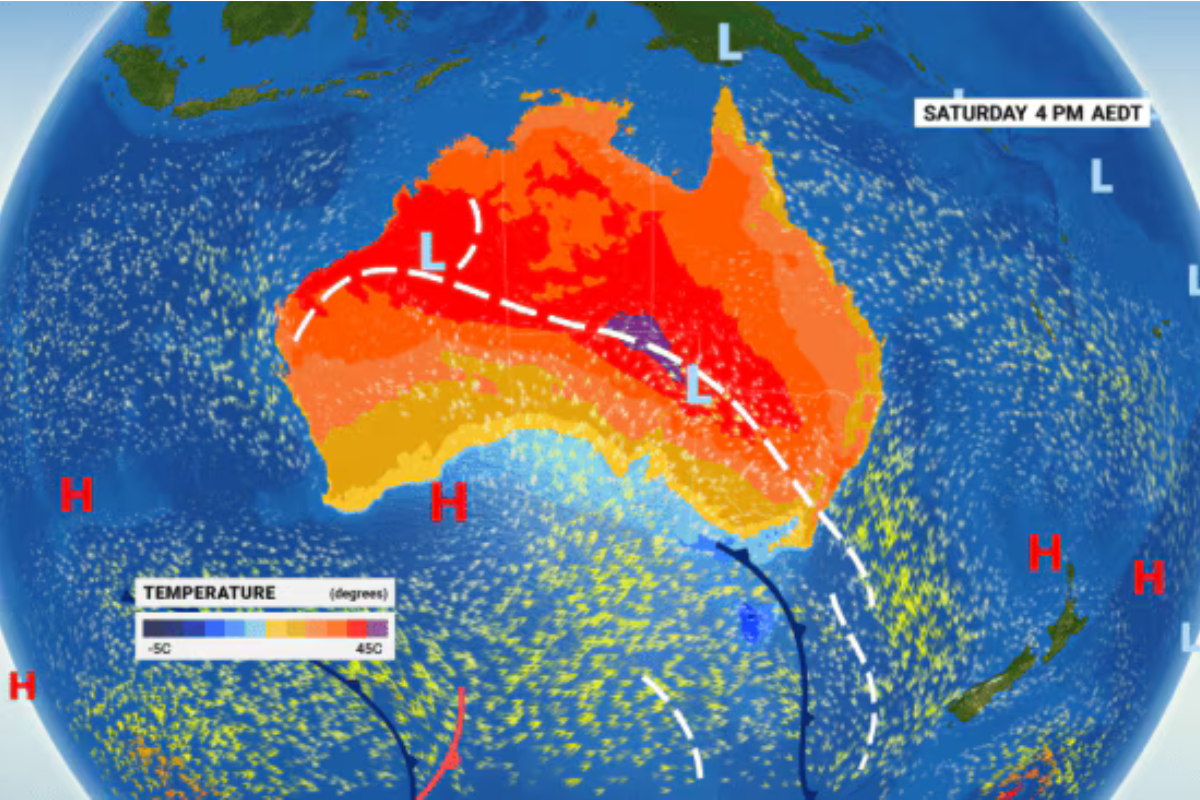
Sky News highlights extreme fire danger across the Hunter, Illawarra, Riverina, and Central West. Grounds bordered by bushland or farmland are particularly vulnerable. Even sports that normally thrive in summer—like cricket—may be cancelled, not due to player safety alone but because fire risk requires keeping fields clear for emergency vehicles. The heatwave is turning sportsground logistics into risk assessments usually managed by disaster planners.
Spectators Are Now Becoming a Key Safety Priority


It’s easy to forget that parents and supporters often spend longer in the sun than the players. Councils are installing temporary shade structures, spraying misting systems, and encouraging families to bring portable shelters. Some clubs are trialling “heat-rotation models,” encouraging spectators to swap positions every ten minutes to limit direct exposure. While these solutions feel improvised, they show how far clubs are willing to adapt to keep community sport alive.
The Cool Change Will Bring Relief—But Only After the Worst Hits

The Guardian reports a cool southerly change expected late Sunday, but it won’t arrive in time to save Saturday fixtures. Authorities emphasise that heat effects are cumulative—the second or third day of a heatwave is always the most dangerous. For many clubs, cancelling Saturday rounds is becoming the safest option, especially for youth sport.
Table: NSW Weekend Heatwave Impacts on Sport Operations
| Region | Peak Temp | Operational Challenge | Likely Club Response |
|---|---|---|---|
| Penrith / Western Sydney | 40–41°C | Extreme heat load | Cancel or shift to evening |
| Sydney CBD | 35–36°C | Hydration + shade shortages | Shortened matches |
| Hunter Region | 38–40°C | Fire danger & smoke | Event relocations |
| Illawarra | High 30s | Hot winds | Delay start times |
| Riverina | 40°C+ | Evacuation readiness | Full suspension possible |
Weekend sport in NSW has shifted from casual community tradition to complex heat-management exercise. With temperatures soaring, fire danger rising, and health risks escalating, clubs are navigating challenges they never expected to face. Whether games are rescheduled, cancelled, or heavily modified, the message is the same: sport matters, but safety matters more. This weekend, logistics may be the MVP that keeps communities protected.