
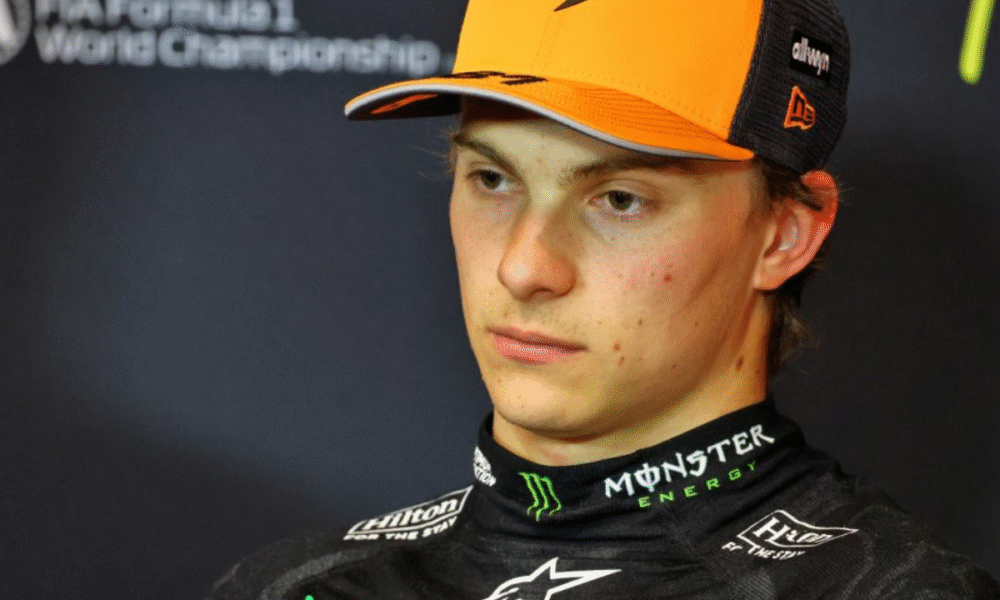
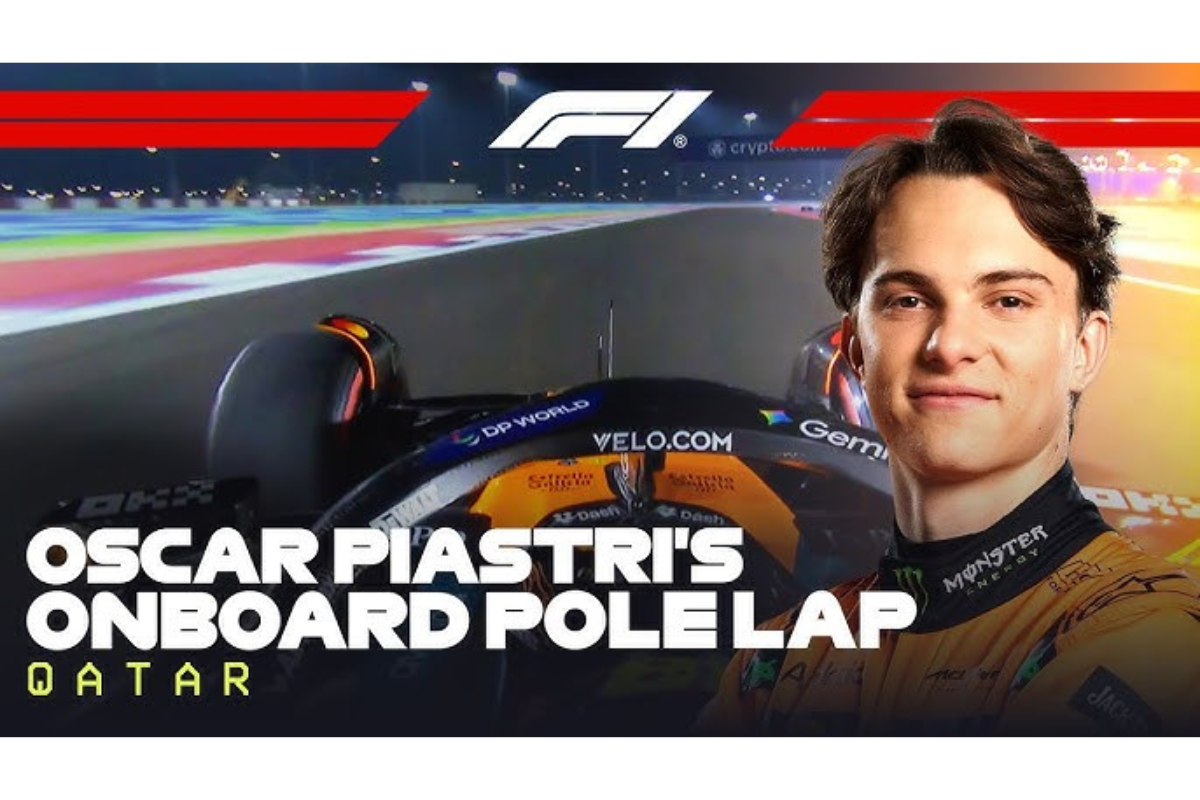
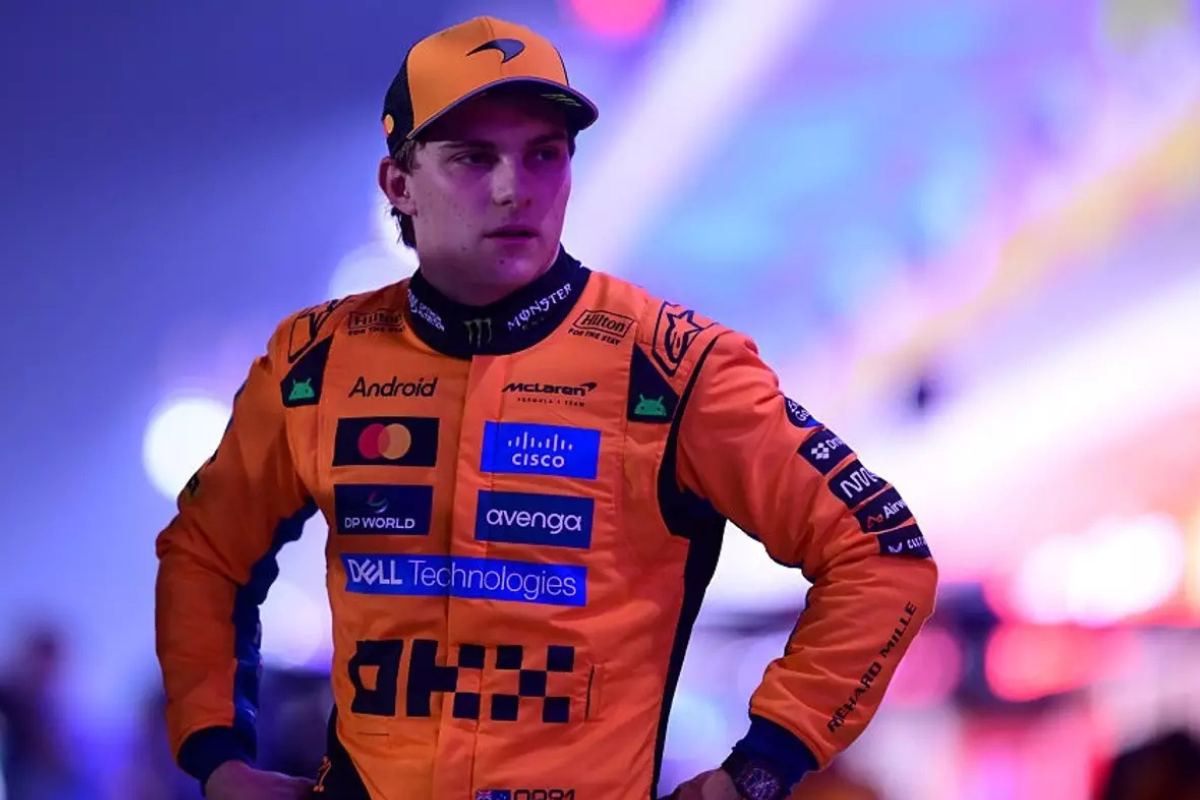
When Oscar Piastri delivered his brilliant piastri sprint charge in Qatar, it wasn’t just the raw pace that shocked the paddock. It was the psychological shift that followed. Formula 1’s title battles aren’t decided only by numbers — they are decided by nerves, pressure, and emotional momentum. Piastri arrived in Lusail carrying the weight of six difficult weekends, a widening points deficit, and a growing chorus of doubt. But with his 1:20.055 record sprint pole and his flawless sprint victory, he turned the mental game on its head. Norris tensed. Verstappen looked shaken. Hamilton spiralled into frustration. And McLaren suddenly faced a psychological battle they’d hoped to avoid. The Qatar Sprint didn’t just revive Piastri’s pace — it revived his presence.
Piastri’s Mental Reset: Calm, Confident, and Suddenly Dangerous (Piastri Sprint Charge)
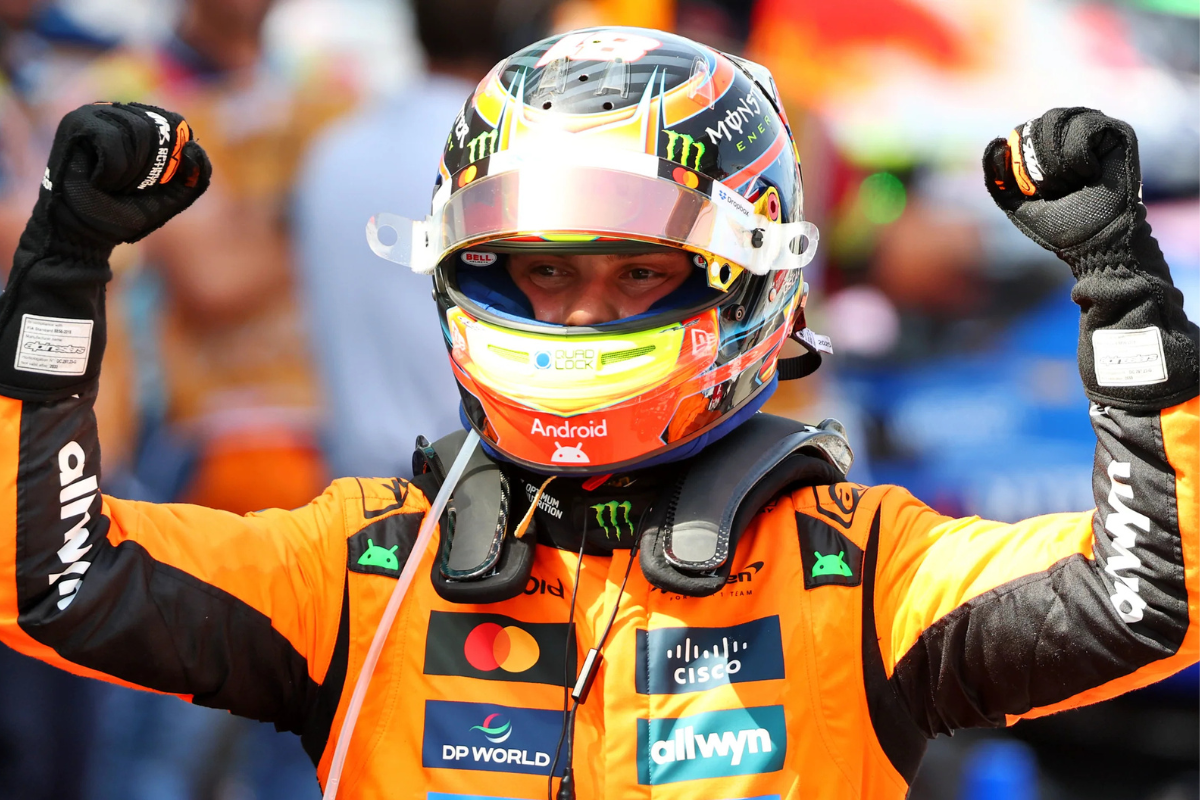
Every driver reaches a moment where they must choose between collapsing under pressure or stepping into it. Qatar became the weekend where Piastri chose the latter. Formula1.com noted how his radio tone was “steadier than it has been in months,” and The Age described his posture as “relaxed and rebalanced.” That change mattered. When a driver finds mental clarity in a high-stakes environment, their driving flows with a confidence rivals can feel — especially teammates. Piastri’s sprint win wasn’t frantic or emotional. It was composed. Controlled. Quietly authoritative. The kind of performance that tells the grid: Yes, I’m still here.
Norris Shows the First Signs of True Championship Pressure (Piastri Sprint Charge)
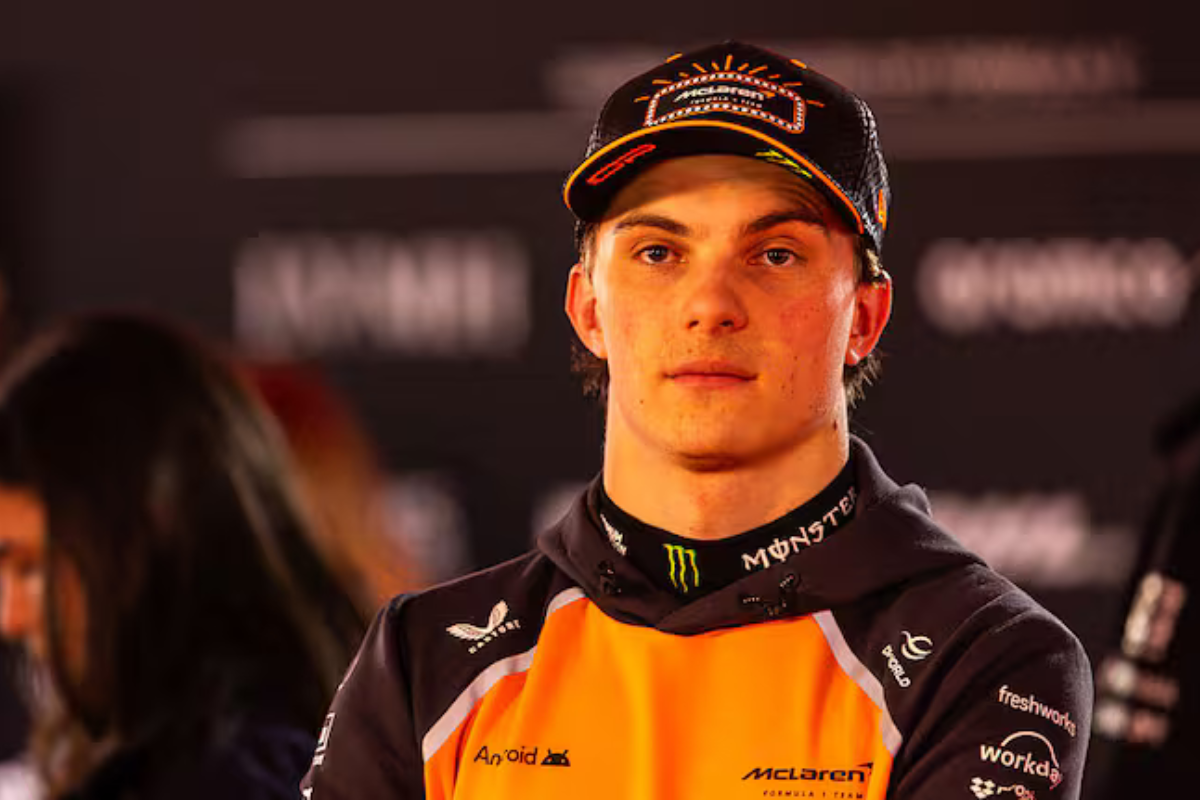
Lando Norris has led the championship with maturity all year, but Qatar was the first time we saw the cracks. MotorsportWeek highlighted Norris’ cautious driving, noting he refused to challenge Russell and avoided even mild risk-taking. The Race went further, calling his sprint “protective rather than ambitious.” The key point wasn’t that Norris finished P3 — it was how he finished P3. His body language in the garage looked tighter. His interviews carried a guarded tone. And his defensive approach contrasted sharply with Piastri’s freedom. In title fights, pressure rarely arrives all at once. It arrives like Qatar — quietly but decisively.
Verstappen’s Struggles Revealed a Crumbling Mental Edge :Piastri Sprint Charge
Max Verstappen rarely looks rattled. But Qatar changed that. After abandoning his Q3 lap due to violent porpoising — calling the RB21 “bouncing like an idiot” — his frustration spilled into his sprint performance. He fought the car more than the competition, finishing stuck in midfield with no rhythm. Asian and European media both highlighted Verstappen’s rare loss of composure, noting that the three-time champion usually overcomes mechanical issues mentally even when the car refuses to cooperate. But Qatar revealed something different: an edge dulled by a season of inconsistent machinery. Piastri’s rise looked sharper because Verstappen looked vulnerable.
Hamilton’s Qatar Collapse Shows How Confidence Shapes Performance (Piastri Sprint Charge)
Lewis Hamilton’s season has already been a rollercoaster, but Qatar delivered the steepest mental drop. A Q1 exit left him “confused and frustrated,” according to Motorsport.com, and his sprint drive reflected that spiralling mindset. The Ferrari snapped unpredictably, and Hamilton admitted the car felt “nowhere near stable enough to push.” When great drivers lose trust in their machinery, their confidence suffers — and Qatar showed Hamilton’s trust vanish in real time. That collapse helped elevate the importance of Piastri’s sprint, which now sat in contrast to a field of champions who faltered mentally.
The McLaren Mental Battle: Two Drivers, One Title, One Breaking Point
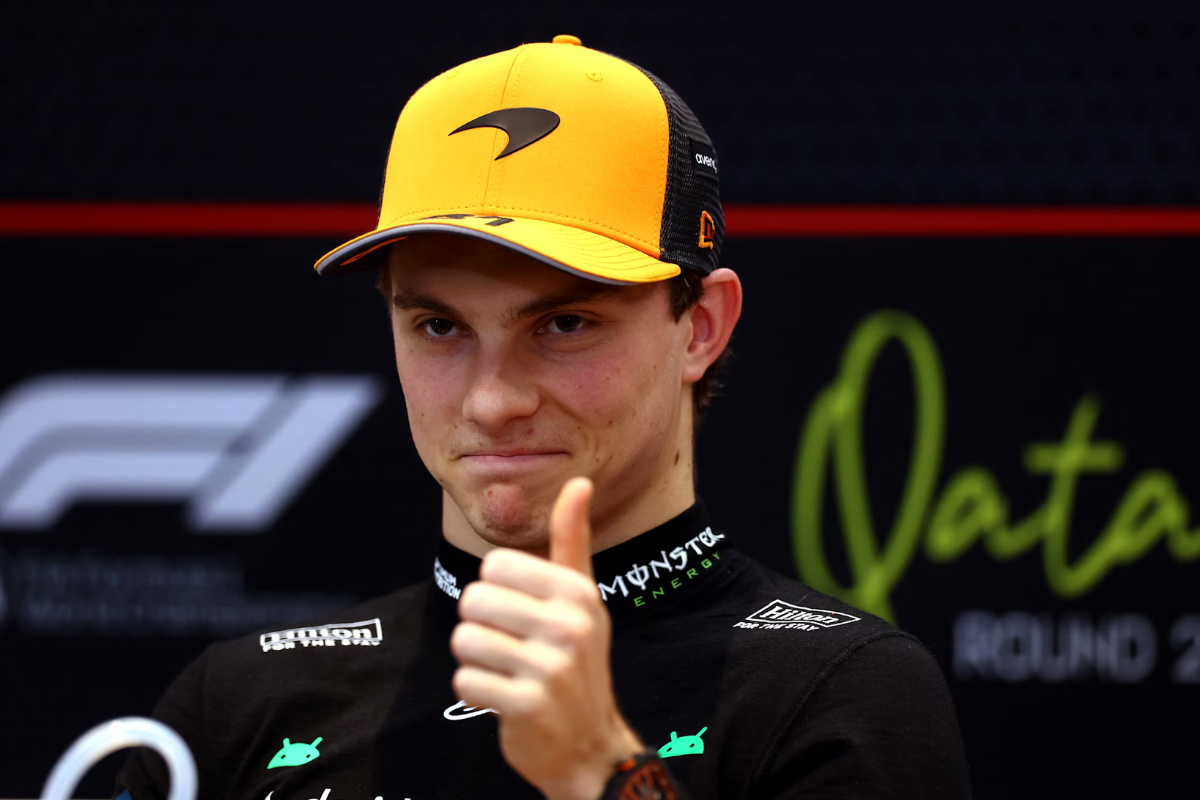
McLaren’s internal psychology has now become the biggest unspoken storyline in the paddock. Piastri’s Qatar resurgence reignited a title battle the team wasn’t fully prepared to manage. Norris, carrying the points lead, must now handle the pressure of a charging teammate with nothing to lose. Meanwhile, Piastri’s tone is lighter, freer, almost playful — the mindset of a driver who believes destiny has just swung back toward him. News.com.au highlighted footage that showed subtle tension in the McLaren garage: technicians moving quicker on one side, conversations cut short, body language less relaxed. Qatar didn’t create the tension. It simply exposed it — and made it strategic.
The Sprint That Showed Who Could Handle Pressure — and Who Couldn’t
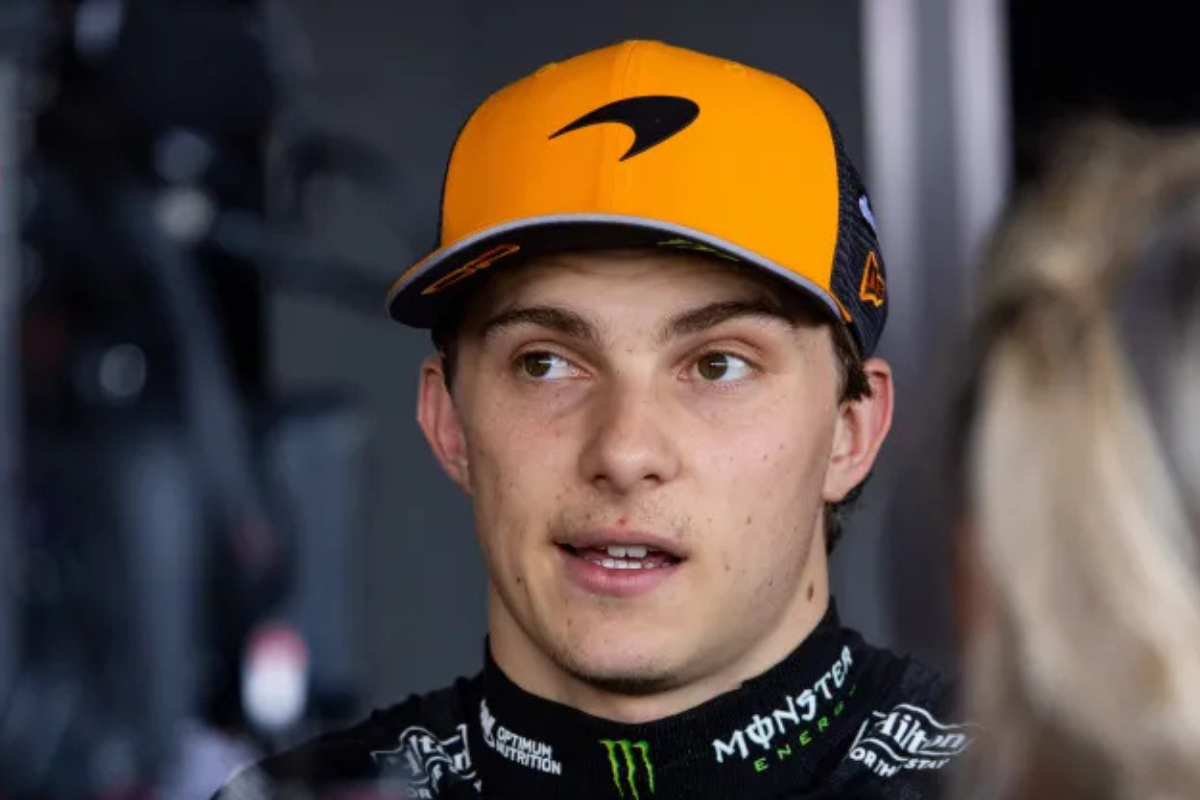
The key moment wasn’t the start, nor the pole lap — it was the way Piastri handled the sprint’s closing laps. Russell never got close. Norris never attempted a move. Verstappen never recovered. Hamilton never stabilised. Formula1.com noted that Piastri’s pace increased slightly in the final six laps, a sign of confidence under sustained pressure. Drivers who are afraid of losing fight differently from drivers who are excited to win. Qatar showed which category Piastri is in — and which categories the others fell into.
Table: Psychological Impact of the Piastri Sprint Charge
| Driver | Qatar Psychological Outcome |
|---|---|
| Oscar Piastri | Confidence restored, momentum gained |
| Lando Norris | First visible pressure signs |
| Max Verstappen | Frustration and instability |
| Lewis Hamilton | Confidence collapse |
| McLaren | Title tension exposed |
The Qatar Sprint wasn’t simply a race — it was a psychological turning point for the entire 2025 season. Oscar Piastri emerged with renewed belief, a stronger competitive identity, and the mental sharpness of a driver ready to fight for a championship. Norris suddenly faces the burden of a teammate on the rise. Verstappen and Hamilton look mentally shaken. And McLaren must now manage a title battle they can no longer hide behind calm PR lines. Qatar didn’t just shift the standings — it shifted the minds of everyone involved.