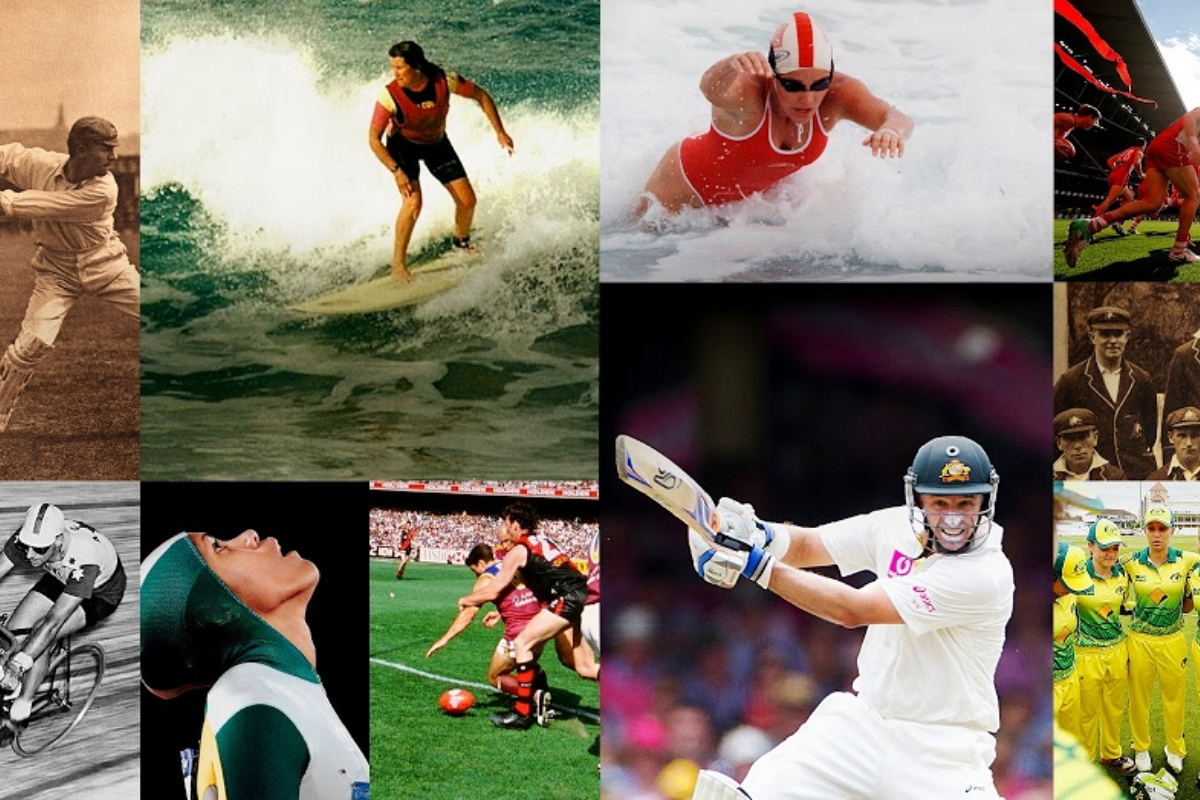
G’day sports fans. If you’ve been arguing with your mates at the pub about whether footy or soccer is number one, you might be asking the wrong question. According to the latest trends, the definition of the “best sports in Australia” is splitting into two very different categories: the ones we love to watch on the couch, and the ones we are actually getting off the couch to play.
Yes, the AFL Grand Final still stops the nation in the southern states, and the summer cricket season is sacred. But a deep dive into the current trends shows that Aussie sporting culture is diversifying faster than ever before. From the ice rink to the pickleball court, here is how the landscape is shifting.
The “Armchair” Shift: Why We Love Watching vs. Playing

Here is a fascinating stat that changes the game. While millions of us swim and play tennis, the sports capturing our attention on TV are often ones we never actually play.
Recent interest data highlights a massive “interest gap” regarding winter sports. For example, while only a fraction of Australians actually strap on skis each year, a huge number of us claim to be highly interested in watching skiing. The numbers are even more striking for ice skating: millions are keen to watch, but only a fraction actually hit the rink.
This means the “best sports” for broadcasters and sponsors right now aren’t necessarily the ones with the most club sign-ups. They are the lifestyle sports. Streaming platforms are driving interest among younger, higher-income demographics who prefer watching elite winter competition from their living rooms.
The Rapid Rise of the “Small Bat” Sports – Best Sports in Australia
While the big four (AFL, Cricket, NRL, Soccer) hold the turf, the fastest action is happening on much smaller courts. If you haven’t heard of Pickleball yet, you will.
It is officially the fastest-growing recreational sport in the country. But right now, it is going professional. Major League Pickleball Australia has launched, creating a proper three-tier competition with a prize pool exceeding hundreds of thousands of dollars.
There is even a Junior pathway launching. It’s no longer just a backyard hobby for retirees; it’s a legitimate career path for young athletes.
Women’s Sport: From Token Matches to Total Investment

We have seen the rise of the Matildas and the WNBL, but the real structural shift is happening in grassroots investment. Rugby Australia just announced high-performance pathways for young female athletes.
For the first time, major unions are handing out proper training agreements to teenagers, not just the senior stars. With the Women’s Rugby World Cup and the Olympics on the horizon, they are building a conveyor belt of talent starting at the Under 16 level. It’s a long-term play that signals women’s sports are no longer an afterthought—they are the strategy.
Similarly, Water Polo bodies have launched “Futures Development Squads” to align with national standards, focusing on professional habits like nutrition, recovery, and strength training rather than just pool time.
The Verdict: Participation vs. Passion – Best Sports in Australia

So, what is the best sport in Australia right now?
If you measure by pure participation, Swimming and Soccer still win the numbers game. If you measure by passion and viewership, AFL and Cricket are still kings.
But the real story right now is the specialist. We are seeing a rise in “event-based” participation—signing up for a one-off marathon, triathlon, or ocean swim rather than committing to a 20-week club season. Major city fun runs and triathlons are selling out because they offer a finish line without a long-term contract.
From the ice skater watching the winter games from their apartment to the fifty-plus crowd dominating the pickleball court, the definition of an Aussie sports fan has never been broader.