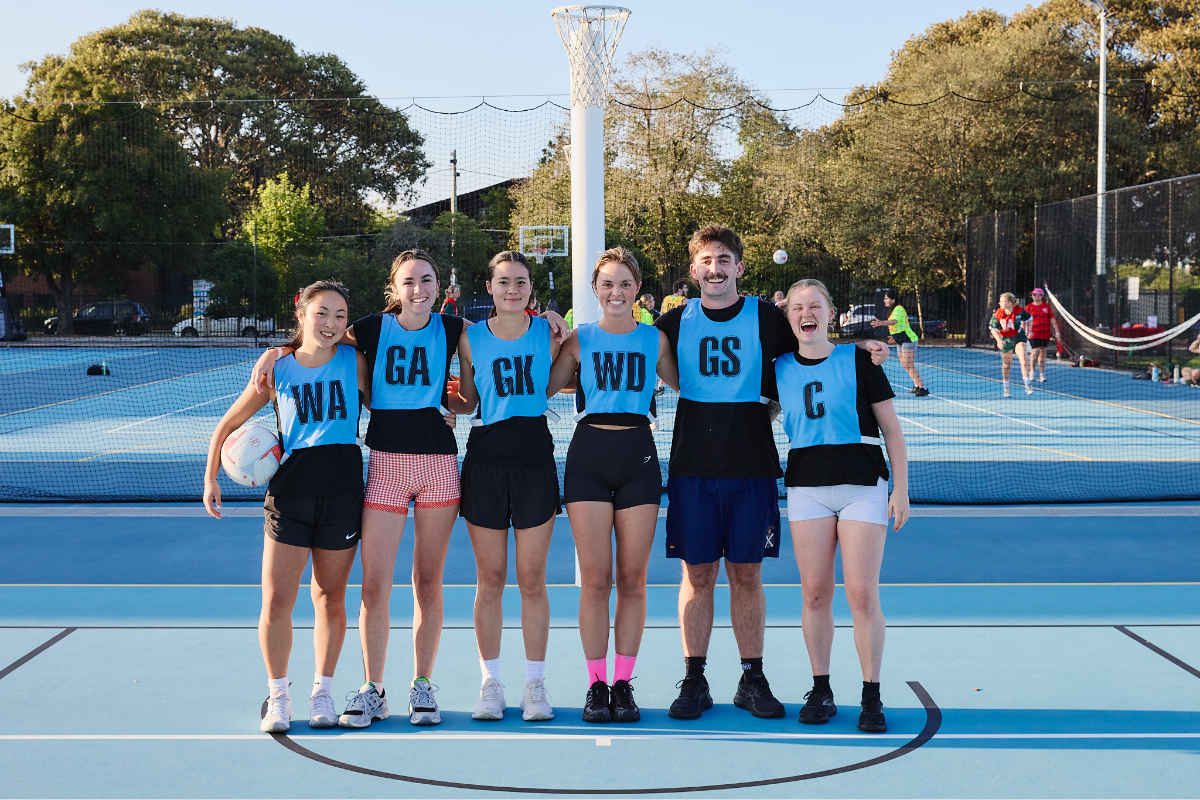
Social Sports Australia – They aren’t wearing uniforms. There are no angry coaches pacing the sidelines. In fact, you don’t even need to know the score.
Welcome to the quiet revolution of social sports Australia, the booming sector of the industry that is swapping rigid rules for backyard cricket, beach footy, and barefoot bowls.
While traditional clubs worry about membership fees and volunteer shortages, social sport is thriving by lowering the bar—or rather, removing it entirely. Defined as engagement in a less formal context, these activities keep the fun of the game but ditch the bureaucracy .
The Great Unbundling of Play – Social Sports Australia
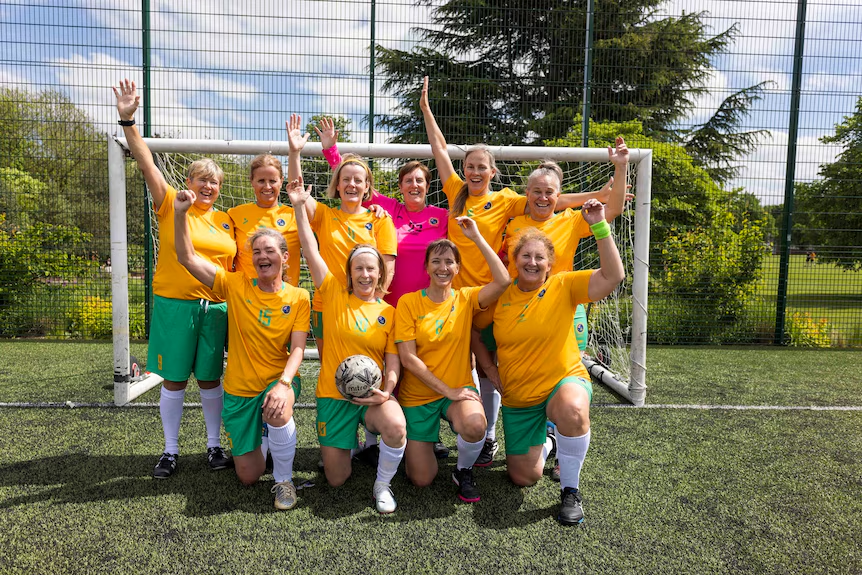
According to recent data, nearly four in five Australians still engage with sport, but how they do it has fundamentally changed. We are moving away from “appointment viewing” (or playing) towards a highlight-reel lifestyle .
Social sport fits this perfectly. It is the ultimate “pick-up and play” product.
- No long-term commitment: Seasons are often just 4-6 weeks long.
- Modified rules: Smaller fields, shorter game times, and non-contact options (like AFL 9s) make it accessible.
- The “Third Place”: Beyond fitness, these games serve as crucial social hubs for friendship and mental wellbeing.
Case Study: The Rise of the Barefoot Athlete – Social Sports Australia
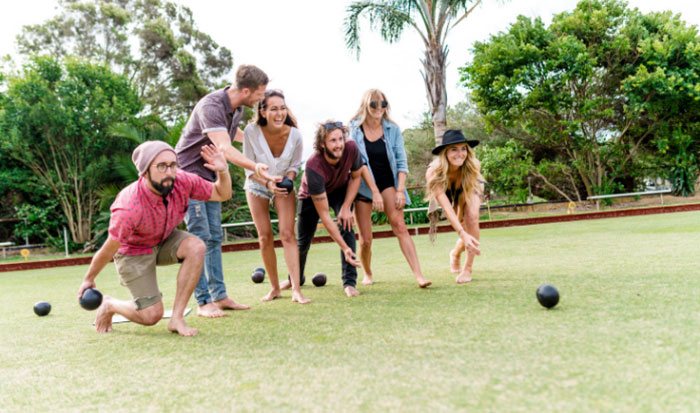
Perhaps the poster child for this movement is Barefoot Bowls. What was once seen as a retirement village pastime is now a Friday night ritual for 20-somethings.
The evidence is in the numbers—and the charity coffers. In regional Victoria, the Yarrawonga Mulwala Golf Club Resort recently wrapped up its Annual Charity Challenge. Over six weeks, teams fought for the crown, ultimately raising $2,000 for local causes including Meals on Wheels and the local hospital . Similarly, the Kalgoorlie Bowling Club in WA has seen a massive resurgence, averaging 80 players on Thursday nights after bringing back the social format post-COVID .
However, there is a catch. While over 600,000 Australians roll up for a social game of bowls each year, only about 180,000 are registered members .
The Participation Gap: Lawn Bowls
This “hidden” participation is a headache for administrators. As Bowls ACT points out, government funding is tied to data. If you aren’t registered, you don’t exist on the spreadsheet . This is driving a push for digital tools like “BowlsLink” to capture the casual player without forcing them into a traditional pennant uniform.
From the Street to the Stadium – Social Sports Australia
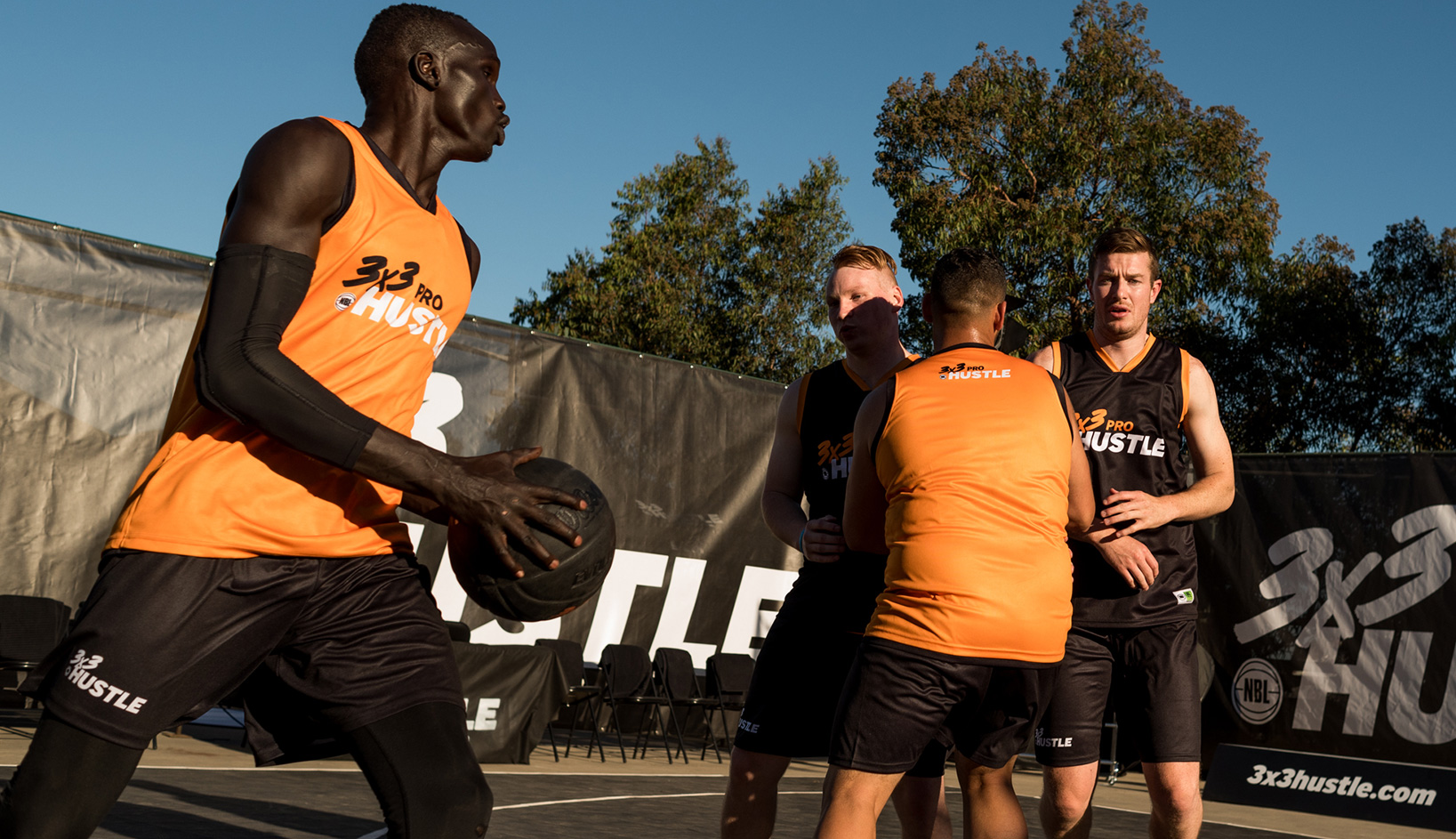
Social sport isn’t just a feeder system for the elites anymore; sometimes, it becomes the elite.
Basketball 3×3 is the ultimate example. Born on the concrete playgrounds of urban America, it was the definition of informal streetball. But the world took notice.
In 2017, it was added to the Olympic program. By the Paris 2024 cycle, it had exploded. FIBA 3×3’s social media followers surpassed 10 million in 2025, and the sport saw an 11 billion video views across platforms .
Alex Sanchez Mollinger, the managing director of FIBA 3×3, notes that the appeal is the pace. “The current generation doesn’t always have patience; things need to happen immediately… It is a perfect fit for them,” he recently told reporters .
The “Pole” Position
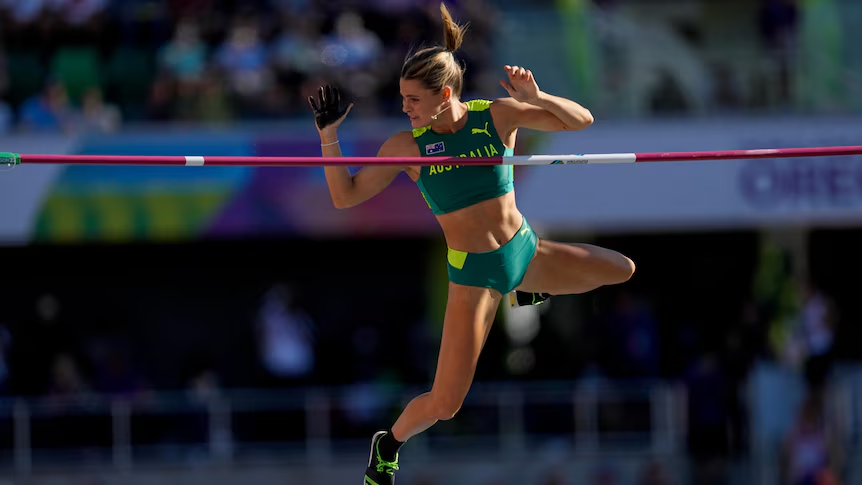
Perhaps the most dramatic evolution is happening with Pole Sports.
Just ten years ago, pole was largely viewed as a niche fitness activity. Fast forward to 2026, and the Australian Pole Sports Federation (APSF) is a recognized non-profit governing body, working towards Olympic recognition .
The journey of “social to official” involves standardizing the unstandardizable. The International Pole Sports Federation (IPSF) has introduced rigid scoring, divisions (including junior, para, and artistic), and a World Championship circuit. It is a stunning example of a grassroots activity formalizing into a global discipline.
The Future is Hybrid
The takeaway for 2026 is clear: sport is no longer binary (you are either a “player” or a “spectator”).
The future of social sports Australia lies in a hybrid model—short-form, high-fun, low-stress activities that act as a gateway. Whether it’s 3×3 hoops or a Thursday night bowl, the game has changed. And for once, you don’t have to keep score to win.