Best social sports australia – Those are TV viewers, soccer registrations, and cricket players. Impressive. Also irrelevant to this conversation.
Because here is the question nobody asks loudly enough: Which sport actually makes you friends?
Not which sport looks good on a highlights reel. Not which sport your father-in-law yells about from the recliner. The sport where you finish exhausted, sweaty, and already texting someone from the changing room about next week.
That is the best social sports australia has to offer. And the answer changes every few years.
The Morning Netball Rule – best social sports australia
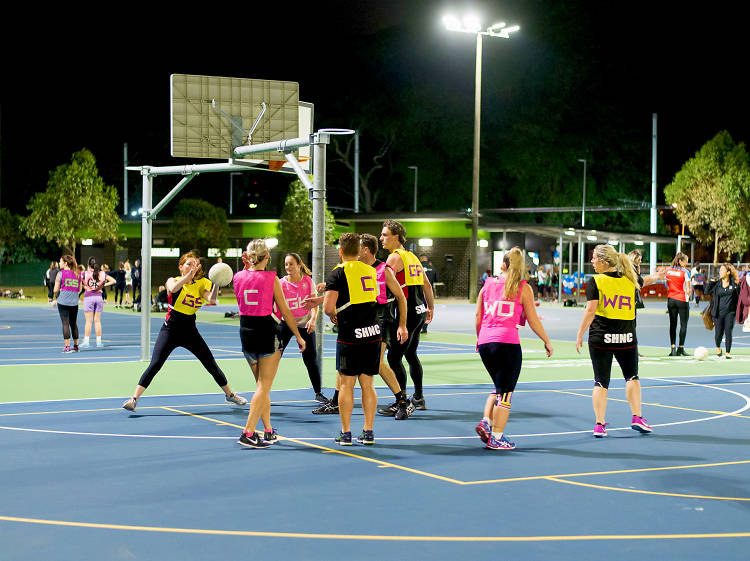
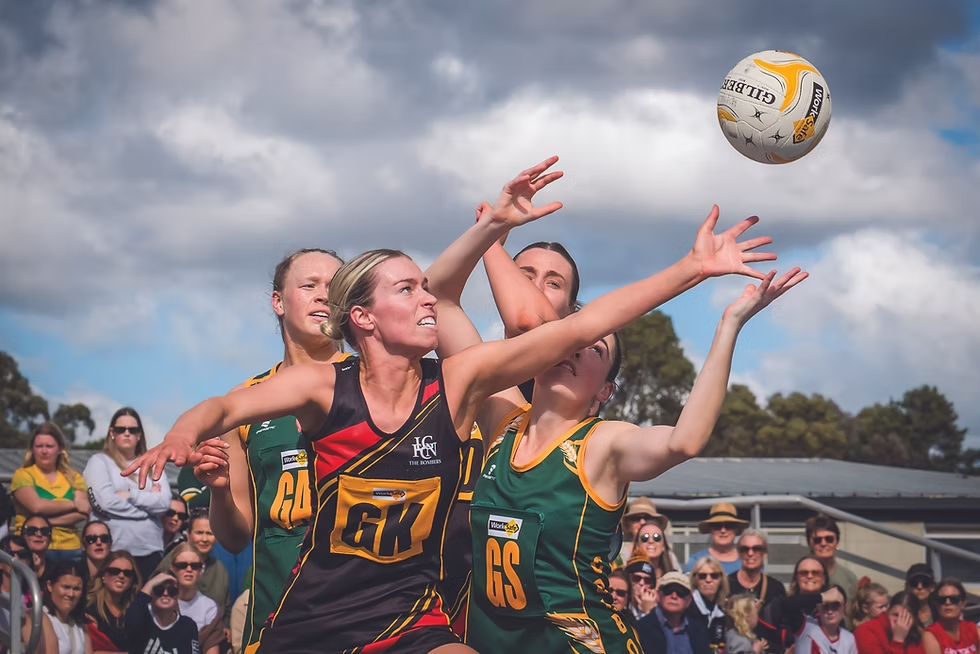
Here is something interesting about netball. Most games happen before 10 AM on Saturday. That seems antisocial on the surface. Who wants to exercise at dawn?
But watch what happens afterwards. Every single player walks to a nearby cafe. Not one person leaves immediately. The game lasts forty minutes. The coffee catch-up lasts ninety. Netball is not a sport. It is a scheduling device that forces tired parents and hungover twenty-somethings into the same room with warm muffins.
Participation sits above 1.2 million. Most are women. Most will tell you they joined for exercise and stayed because Sandra from centre court remembered their birthday.
The Pickleball Curve
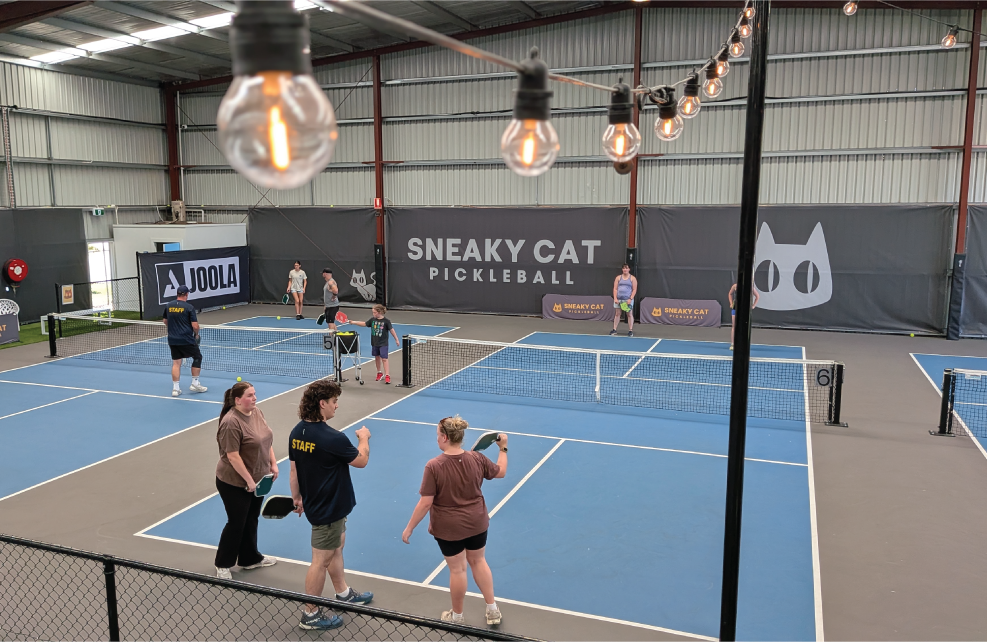
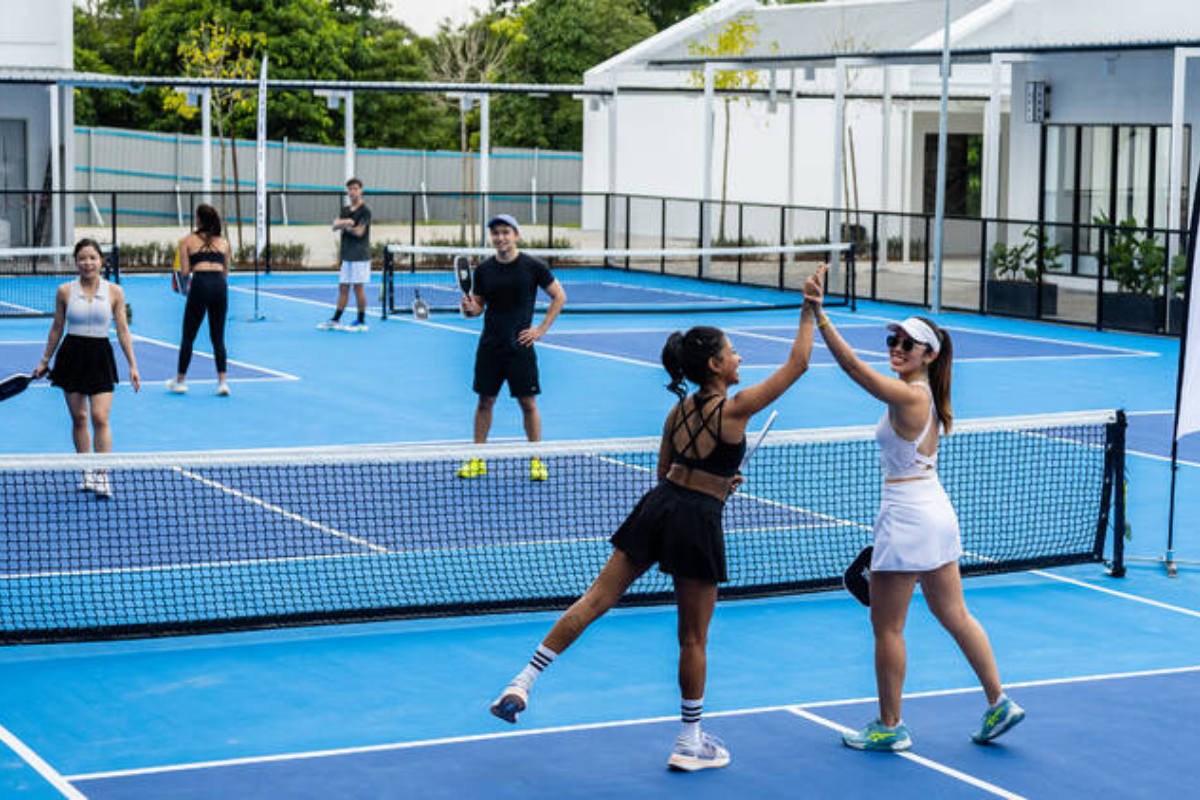
Pickleball arrived in Australia quietly five years ago. Nobody took it seriously. A plastic ball. A paddle. A court the size of a hotel swimming pool.
Then something shifted. Retirement villages installed courts first. Then community centres. Now young professionals are showing up on Tuesday nights with six-packs and zero shame.
Why the explosion? Two reasons. First, you learn in ten minutes. Second, you laugh constantly because the ball moves slow enough to trash talk mid-rally. Compare that to tennis, where beginners spend the first hour chasing balls over a fence.
Pickleball is currently the fastest-growing social sport in the country. It will not replace cricket. But it might replace the awkward silence of a first date.
The AFL Clubhouse Economy
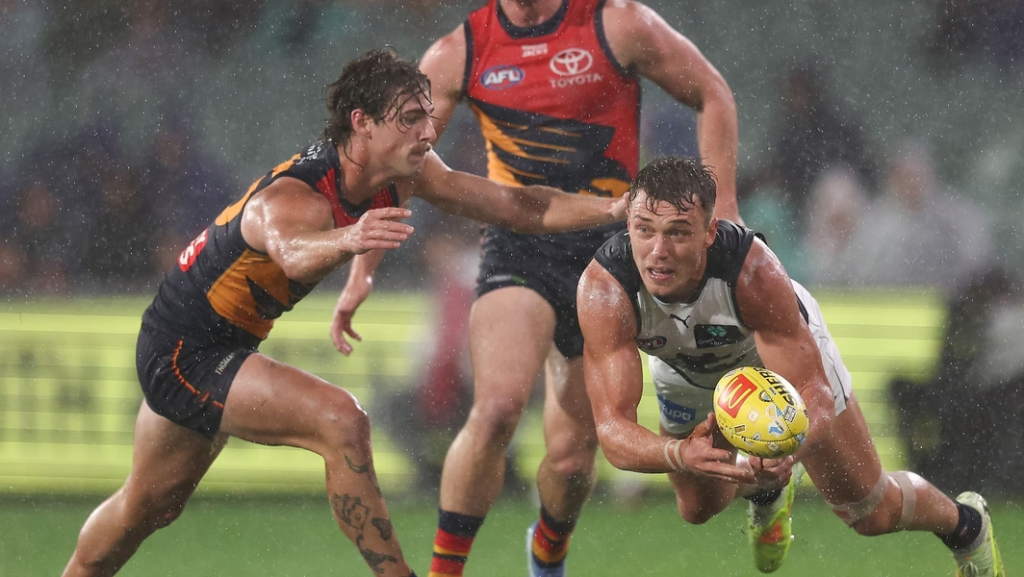
Walk past any suburban AFL ground on a winter Sunday afternoon. Do not look at the field. Look at the canteen line.
Fifteen people waiting for hot chips. Another twenty sitting on picnic blankets. A grandmother holding a baby while a grandfather argues with the umpire from fifty metres away. None of these people are playing. All of them are part of the sport.
AFL wins the social category not because of the game itself, but because of the duration. A junior football day lasts six hours. Under-10s play at 9 AM. Under-14s at 11 AM. Seniors at 1 PM. Reserves at 3 PM. That means one clubhouse, one BBQ, and an entire day of standing next to the same people until you eventually learn their names.
No other sport forces that much accidental socialisation. Soccer matches last 90 minutes and everyone leaves. Cricket lasts eight hours but everyone is spread around the boundary. AFL traps you in a single location with a sausage sizzle and no escape. Beautifully.
The Data That Actually Matters
| Sport | Approx. Participation | Social Superpower | Average Time Spent Talking After Game |
|---|---|---|---|
| Netball | 1.2 million | Mandatory coffee runs | 75 minutes |
| Pickleball | Rapidly growing (est. 200k+) | Easy trash talk | 45 minutes |
| AFL (local) | 600,000 | All-day clubhouse stays | 120+ minutes |
| Soccer | 1.1 million | Multi-cultural banter | 30 minutes |
| Surf Life Saving | 190,000 (active) | Shared responsibility | 90 minutes |
Notice something? The sports with the longest post-game socialising are not the most-watched on television. They are the ones with a physical home base. A clubhouse. A canteen. A reason to linger.
The Rugby League Vibe Check
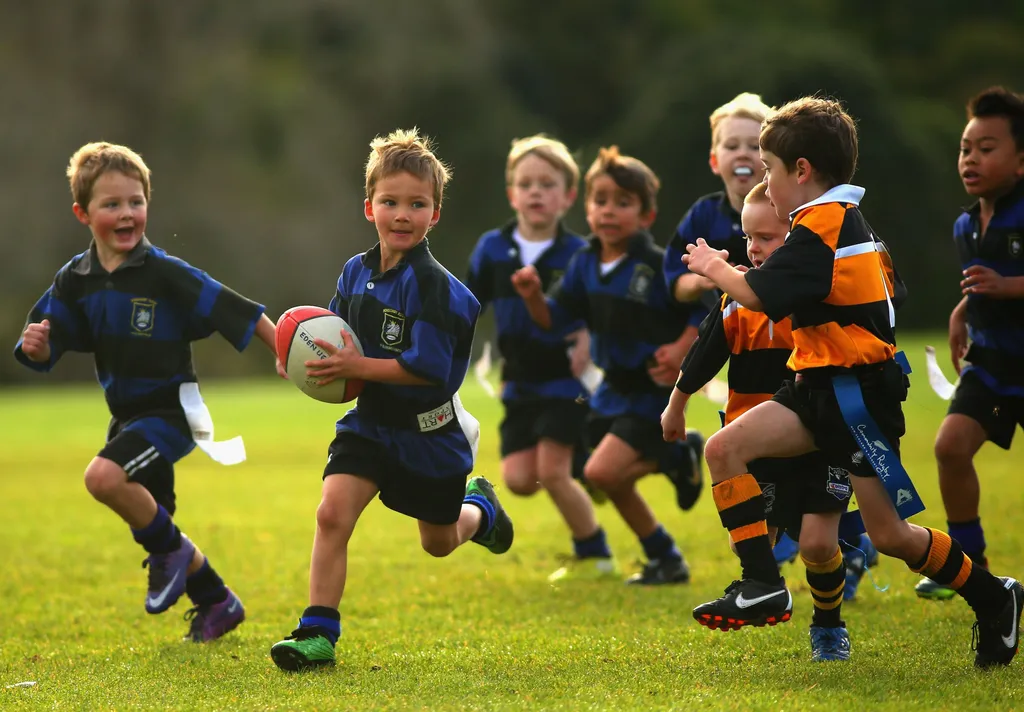
Rugby League is complicated to explain to newcomers. Six tackles. A play-the-ball. A scrum that is not really a scrum. The rules are dense.
But the social entry point is simple: pick a team. Any team. Rabbitohs, Broncos, Roosters, Storm. Wear their jersey to the supermarket. Someone will yell something at you. Respond with literally anything. Congratulations, you now have a conversation partner.
This tribalism feels intense to outsiders. To insiders, it is just Tuesday. The NRL draws 180,000 registered players, but the fan communities double that number. Social leagues for adults who never played competitively are exploding, particularly in Queensland. You do not need to be good. You need to show up and commit to the post-game burger run.
The Swimming Paradox
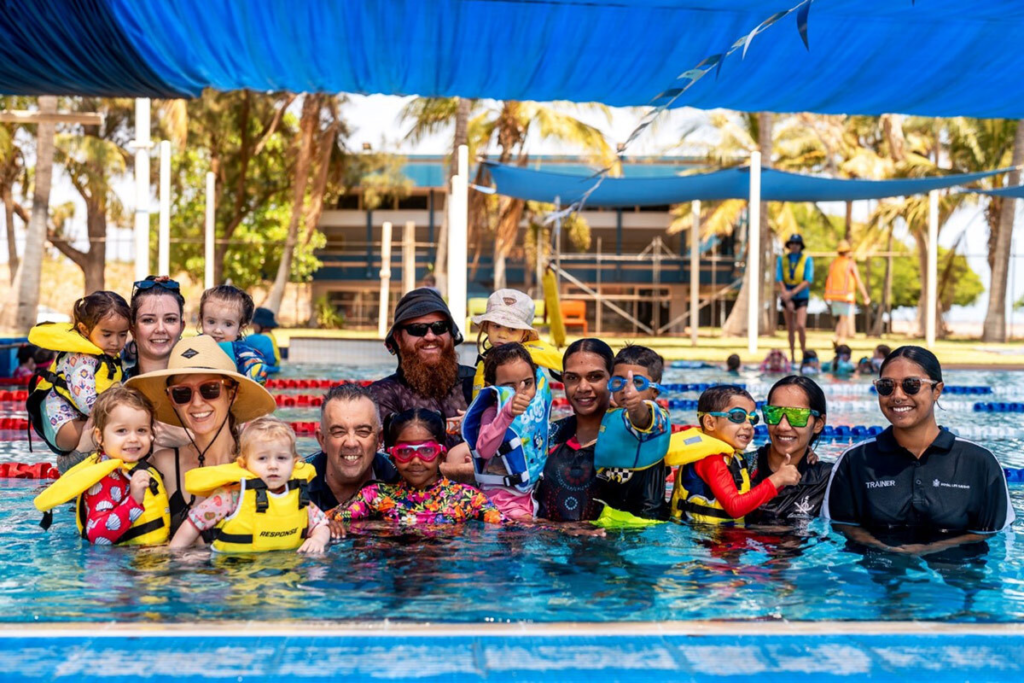
Swimming seems like the loneliest sport on earth. A black line. A tiled floor. Your own breathing. No teammates to high-five.
But competitive swimming clubs in Australia function more like social clubs that happen to own a pool. The training is solitary. The rest is collective. Swimmers eat together. Travel together on buses to meets. Sit under marquees for six hours waiting for a two-minute race.
Surf Life Saving takes this further. You patrol the beach with the same five people every Sunday morning. You watch tourists get sunburnt. You rescue the occasional inflatable unicorn. Then you drink together. These clubs are the backbone of every coastal town from Cronulla to Scarborough. Nobody joins for the swimming. They join for the post-patrol beers.
Basketball’s Quiet Takeover – best social sports australia
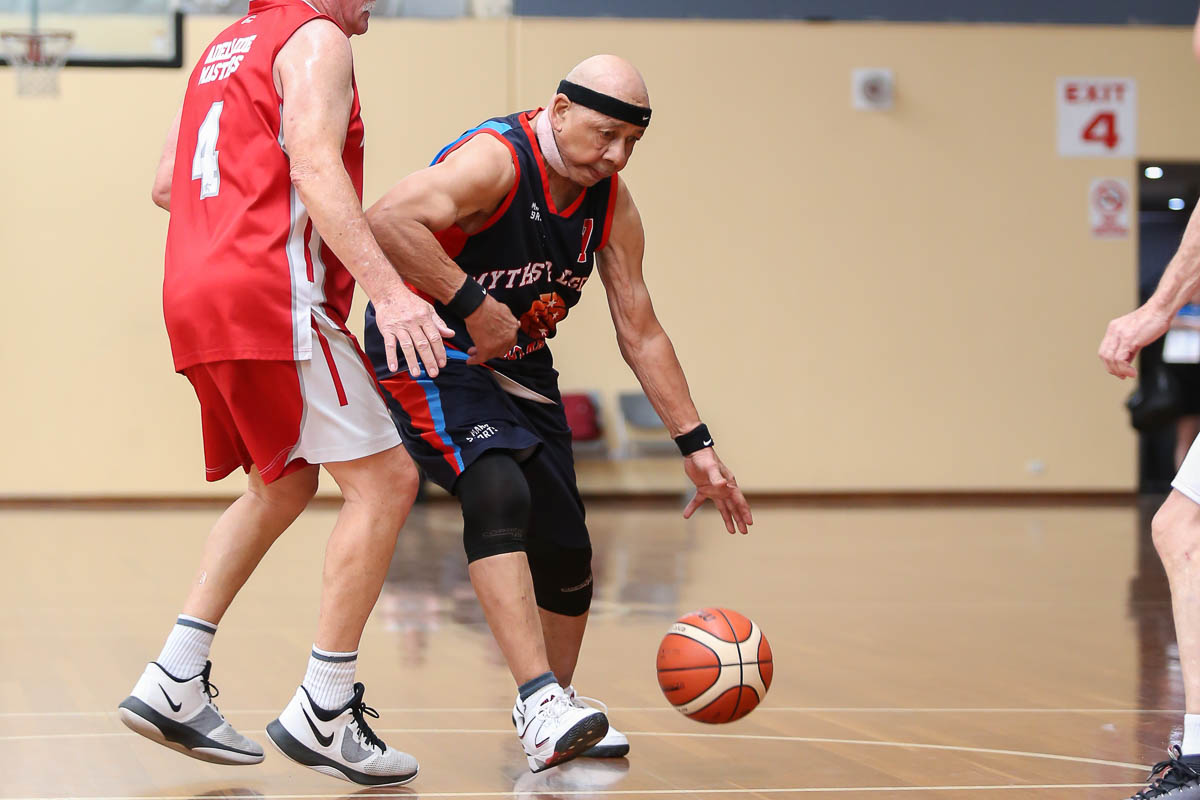
Walk past any outdoor basketball court on a summer evening. Chances are you will see a game of 3×3 with four people waiting on the sideline to play next.
That is the secret to basketball’s social growth. It requires no organisation. No umpire. No formal registration. Just a ball, a hoop, and the ability to call your own fouls (badly). The NBL has helped. The success of Australian players in the NBA has helped more. But the real driver is accessibility. You can play basketball at 10 PM under lights. You cannot play cricket at 10 PM unless your neighbours hate sleep.
Registered players now exceed 700,000, but the casual players double that number. Social mixed-gender competitions are the fastest-growing segment. Young adults treat Thursday night hoops the way their parents treated Thursday night trivia.
Cricket’s Third Innings – best social sports australia
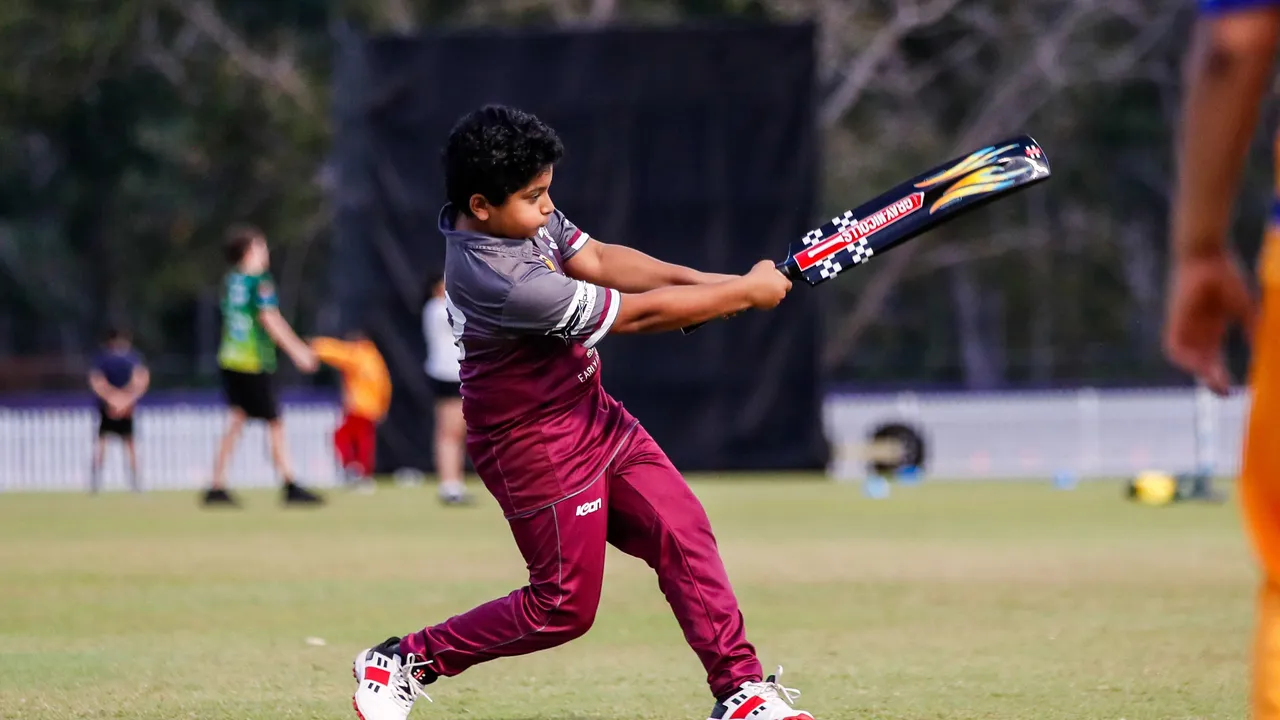
Cricket has a reputation problem. Young people call it slow. Old people call it sacred. Both are right.
But here is the unexpected social win: the Big Bash League. Twenty20 cricket compressed the sport into three hours of chaos. Suddenly, cricket became a night out rather than a weekend obligation. Families attend together. Corporate groups book boxes. The boundary rope becomes a social zone rather than a distant line.
Traditional cricket remains strong in the suburbs, particularly among migrant communities. An Indian-Australian team playing a Pakistani-Australian team on a Sunday morning looks like a cricket match. Listen closely and it sounds like a family reunion. The sport carries languages, food, and memories from other countries. That is a different kind of social bond. Not manufactured by a club. Carried in from somewhere else.
The Emerging Category: Women’s Sport as Social Engine
The Matildas changed something in 2023. Not just the results. The crowds. Thirty thousand people showing up to watch women’s soccer. Young girls wearing jerseys with female names on the back.
Women’s basketball followed. Women’s cricket was already there. The social impact is generational. Mothers who never played sport are now coaching under-8s teams. Workplaces are organising mixed social competitions where the women are not an afterthought.
Men’s netball is also growing. Quietly. Steadily. New South Wales leads the way with mixed competitions where the old gender divides simply dissolve. The sport remains the same. The social dynamics are completely different.
What the Numbers Do Not Tell You – best social sports australia
Parkrun has 300,000 registered Australian participants. That is a number. But the number does not explain why people cry at their 50th Parkrun. Or why strangers high-five at the finish line. Or why the coffee shop after a 5am run is full of people who did not know each other six months ago.
Surfing has no registration number that matters. Millions of Australians own a board. Most never compete. They sit in a lineup, shoulder to shoulder with strangers, waiting for a wave. No talking required. No team colours. Just the shared silence of watching the horizon. That is social too. Just a different volume.
Cycling sits in the same space. Group rides on Saturday morning are part handshake, part suffer-fest. Forty people on road bikes, drafting inches apart, trusting strangers with their front wheel. The coffee stop is mandatory. The conversation is always about the hill they just climbed.
So What Actually Is the Best Social Sports Australia?
The answer depends on your tolerance for organisation.
High tolerance? Join an AFL club. You will have a team, a schedule, and a clubhouse key within a week.
Low tolerance? Buy a pickleball paddle. Show up to a public court. Someone will ask you to play within ten minutes.
Medium tolerance? Register for a mixed netball competition as an individual. The organiser will place you on a team of other individuals. You will all be awkward for one week. By week three, you will have a group chat.
The trophy is not the point. The jersey is not the point. The point is the person who drives you home because you twisted your ankle, or the person who brings extra oranges for halftime, or the person who remembers your name when you walk in after six months away.
That is the sport that wins.