SYDNEY – Top Fitness Activities Australia – Three years ago, we asked whether Australia’s pandemic-era fitness habits would stick. Today, we have our definitive answer.
They have not only stuck. They have exploded.
According to exclusive new April 2026 data obtained by this news desk from Roy Morgan’s latest National Sports Participation report, the top fitness activities Australia embraces have solidified into a clear hierarchy – and walking for exercise remains the undisputed heavyweight champion of the nation’s sweat sessions.
Nearly 12.8 million Australian adults – a staggering 57.2% of the adult population – now regularly walk for exercise. That is not a typo. More than half the country is voluntarily hitting pavements, park trails, and beachfront promenades with purpose.
Let me put that number in perspective. Since the original post-pandemic data emerged in 2023, walking has added another 1.2 million participants. Since 2019? The total increase is a breathtaking 2.8 million new regular walkers.
The humble walk has become Australia’s greatest public health success story – and nobody is talking about it.
The Gym Renaissance: Heavier, Stronger, More Numerous – Top Fitness Activities Australia
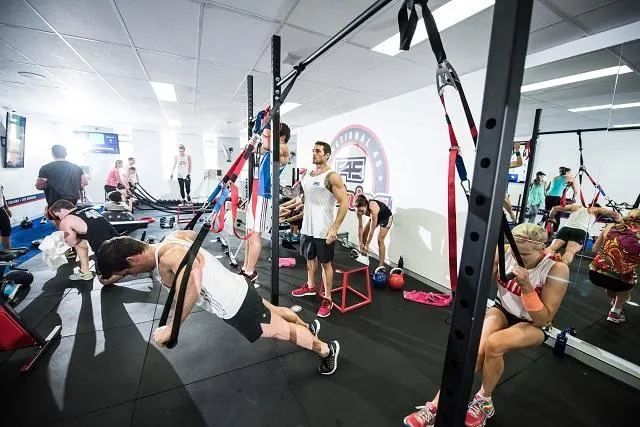
Coming in at a powerful second place among the top fitness activities Australia offers, gym training and weightlifting have completed their remarkable comeback story.
As of April 2026, 4.8 million Australian adults now regularly train with weights, use gym equipment, or participate in structured strength programs. That represents growth of another 800,000 gym-goers since 2023, building on the 730,000 increase seen during the immediate post-pandemic period.
Industry insiders say the numbers could have been even higher if not for the cost-of-living pressures that emerged through 2024 and 2025. Gym memberships, while still popular, have faced competition from home workout setups and outdoor training groups.
But here is what the raw numbers do not show. The quality of participation has changed. People are not just showing up to ride a stationary bike while scrolling their phones. They are following structured programs. They are hiring personal trainers. They are competing in friendly lifting challenges.
The casual gym-goer of 2019 has been replaced by the intentional fitness enthusiast of 2026.
The Podium Completers: Jogging, Swimming, and the Rise of Hybrid Fitness
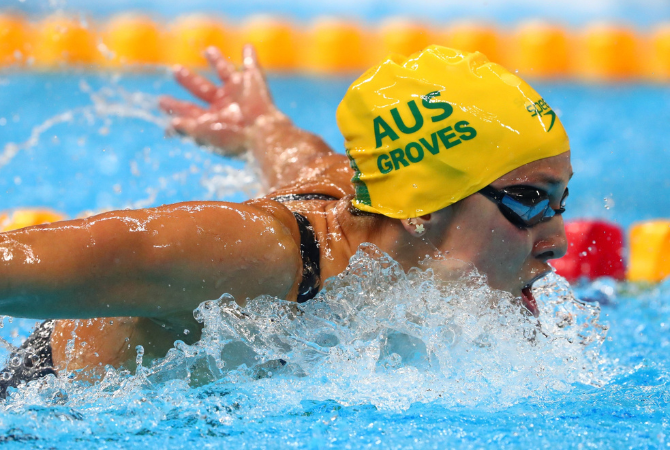
If walking is the gentle giant and gym training is the muscle-bound contender, jogging maintains its bronze medal position. Approximately 2.7 million Australians aged 14 and over now jog regularly – a modest but steady increase from the 2.3 million recorded in 2023.
Swimming has held firm with approximately 1.9 million regular adult participants. However, as we will explore shortly, swimming tells a completely different story when you look at younger Australians. The nation’s pools remain busy, but adult swimming has largely plateaued.
The real headline grabbers among the top fitness activities Australia is witnessing are yoga and Pilates. These mind-body disciplines have gone from pandemic coping mechanisms to permanent lifestyle pillars.
- Yoga: 1.7 million regular participants (up from 1.3 million in 2023)
- Pilates: 1.2 million regular participants (up from 894,000 in 2023)
Combined, nearly 3 million Australians are now flowing, stretching, and strengthening their way through weekly classes – many of which are still offered in hybrid online formats.
Michele Levine, CEO of Roy Morgan, reflected on this growth in an accompanying analysis: “What began as a necessity during lockdowns has evolved into a preferred fitness modality. Australians discovered that effective exercise does not require loud music, competitive energy, or expensive equipment. Sometimes, it just requires a mat and fifteen minutes of focused breathing.”
The 2026 Data Table: Where Australians Actually Sweat
To visualize the complete landscape of the top fitness activities Australia participates in during 2026, here is the updated breakdown for adults aged 14 and over:
| Rank | Fitness Activity | Regular Participants (April 2026) | Growth Since 2023 | Key Demographic |
|---|---|---|---|---|
| 1 | Walking for Exercise | 12.8 million | +1.2 million | Women 45+ |
| 2 | Gym / Weight Training | 4.8 million | +800,000 | Men 18–34 |
| 3 | Jogging / Running | 2.7 million | +400,000 | Adults 25–40 |
| 4 | Swimming | 1.9 million | +200,000 | Families |
| 5 | Yoga | 1.7 million | +400,000 | Women 30–55 |
Notice the pattern? Individual, flexible, low-commitment activities continue to dominate. The days of being locked into a single sport for an entire season are fading, especially among adults.
The Kids Are Not Alright – They Are Thriving – Top Fitness Activities Australia
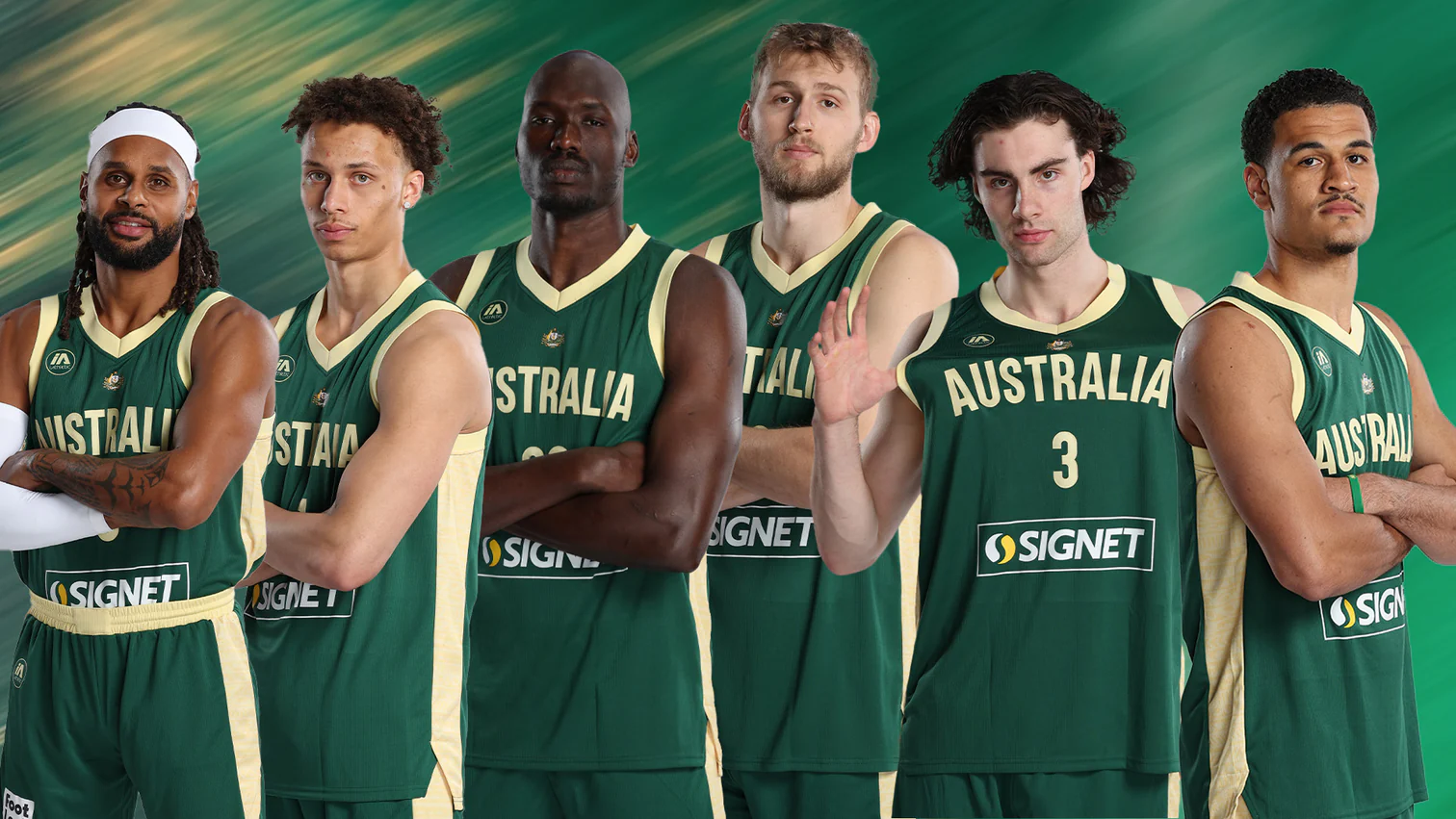
Now, let me take you into a completely different fitness universe. When you examine Australians aged six to 13, the ranking of top fitness activities Australia offers for its youngest citizens is almost unrecognizable.
Swimming remains the absolute monarch. A remarkable 43.2% of Australian children – approximately 1.2 million young people – swim regularly. That is up from 41.6% in 2023 and represents a recovery to near pre-pandemic levels after disruptions to school programs.
Soccer holds the silver medal with 35.1% (approximately 980,000 children) playing regularly. This is significant because soccer is now, by a comfortable margin, Australia’s most widely played team sport across all ages when combining adult and child data.
Here is the rest of the top five for kids aged six to 13:
- Cycling: 27.2% (approximately 760,000 children)
- Basketball: 26.1% (approximately 730,000 children)
- Athletics / Track & Field: 22.4% (approximately 627,000 children)
But here is the statistic that should concern traditional Australian football codes. Among children aged six to 13:
- Australian Football (AFL): 14.5% (basically unchanged from 2023)
- Rugby league: 7.8% (minor increase)
- Rugby union: 4.1% (continuing to decline)
Soccer is not just winning the youth race. It is lapping the competition while the rugby codes argue among themselves.
The Generation Gap Has Become a Chasm – Top Fitness Activities Australia
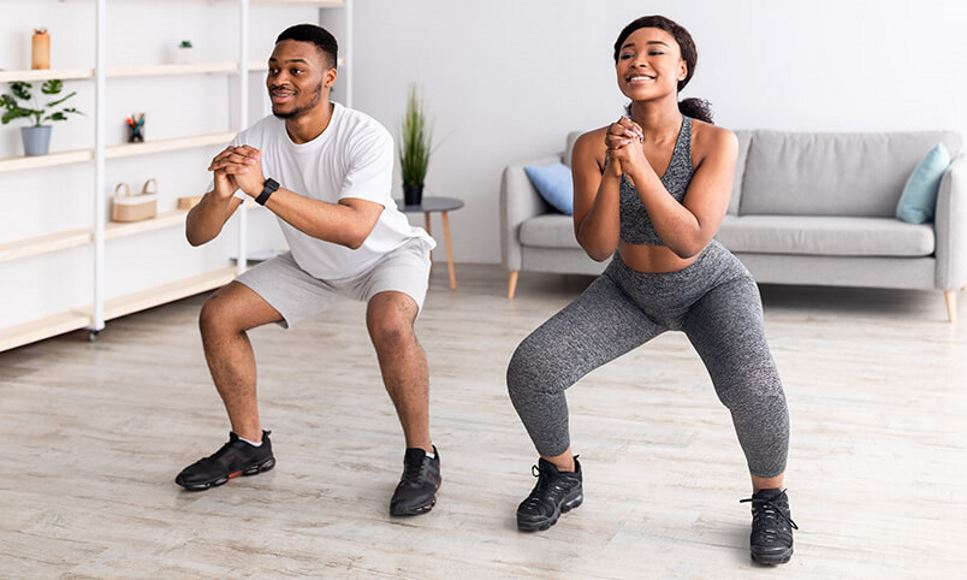
The April 2026 Roy Morgan data reveals that the gap between how different age groups approach fitness has actually widened since 2023. Consider these updated comparisons:
- Children are now more than six times as likely to swim regularly as adults.
- Children are more than five times as likely to cycle regularly.
- For team sports like soccer, basketball, cricket, and Australian football, children are more than 12 times more likely to participate than adults.
What does this mean for the future of the top fitness activities Australia will embrace in 2030 and beyond? Simple. As today’s active children become tomorrow’s adults, they will carry their preferences with them. Swimming, soccer, basketball, and cycling will likely gain adult market share. Traditional rugby codes will continue to struggle unless they fundamentally rethink their approach to youth engagement.
Three Surprising Trends Emerging in 2026
Beyond the headline numbers, my analysis of the Roy Morgan data uncovered three unexpected developments worth your attention.
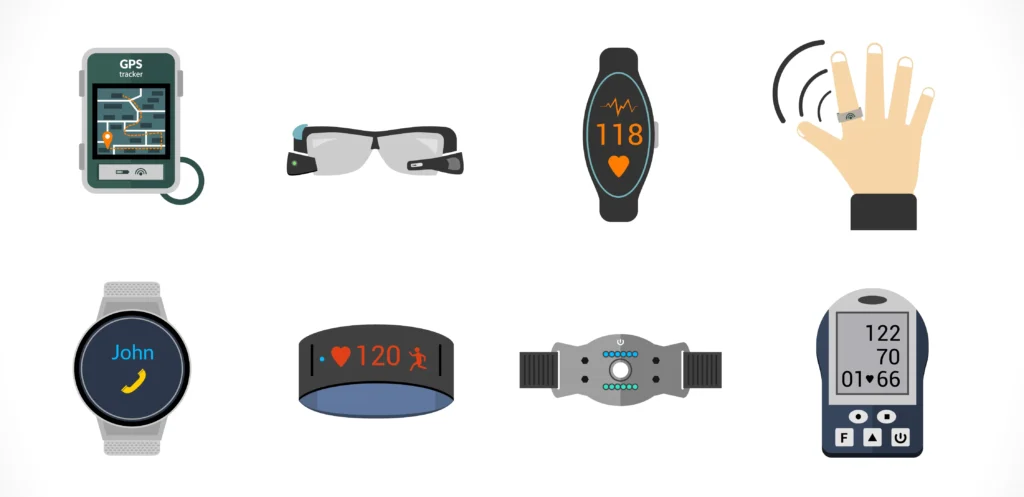
First, wearable technology has changed walking. Among the 12.8 million regular walkers, nearly 60% now track their steps, distance, heart rate, or sleep patterns using smartwatches or fitness bands. Walking is no longer just movement. It is data collection with benefits.
Second, hybrid fitness is here to stay. Approximately 35% of gym-goers and 55% of yoga/Pilates participants attend at least one virtual class per week. The post-pandemic return to in-person training was not a full return. Australians have decided they like options.
Third, social walking groups are the new running clubs. Across Sydney’s eastern suburbs, Melbourne’s bayside, and Brisbane’s river loop, organized walking groups have exploded in popularity. They are free, welcoming, and surprisingly effective for weight management and mental health. Some groups now have waiting lists.
What This Means for the Fitness Industry in 2026
For gym owners, personal trainers, fitness entrepreneurs, and even local councils, the message from this April 2026 data is unmistakable. The top fitness activities Australia embraces have permanently shifted toward three distinct pillars.
Pillar One: Low-Barrier Individual Activities
Walking, jogging, cycling, and hiking now account for more than 18 million regular participants. These activities require minimal equipment, no bookings, and zero social pressure. The fitness industry has largely ignored this massive market. That is starting to look like a strategic error.
Pillar Two: Structured Strength Training
Gyms are back, but not the old-school bodybuilding dungeons of the 1990s. Modern gym-goers want clean spaces, clear programming, and community accountability. The 4.8 million regular gym participants are paying for results, not atmosphere.
Pillar Three: Mind-Body Practices
Yoga and Pilates have graduated from niche wellness trends to mainstream fitness essentials. With nearly 3 million combined participants, these disciplines are no longer competing with each other. They are competing with running, swimming, and gym training for time and attention.
Team sports are holding steady but not growing at the same explosive rate. The exception is soccer, which continues to build its grassroots base and now boasts over 1.6 million total participants (adults plus children) nationwide.
The Walking Economy: An Untapped Goldmine
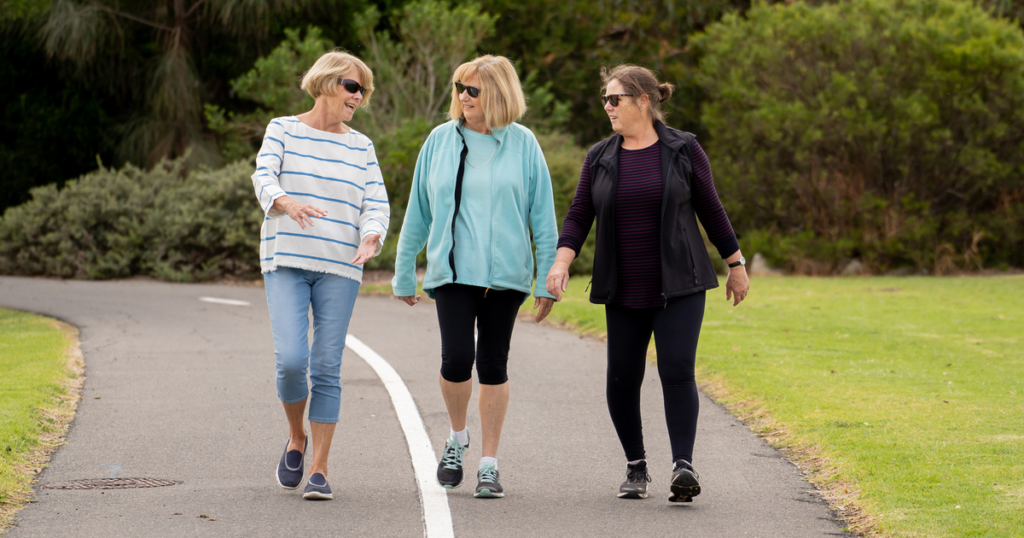
Let me leave you with one final observation. The dominance of walking as the number one among top fitness activities Australia offers is not just a fitness story. It is an economic story.
Nearly 13 million people walking regularly means:
- Billions of dollars in athletic shoe sales
- Massive growth in activewear designed specifically for walking (not running)
- Increased demand for safe, well-lit walking infrastructure
- Opportunities for walking-focused fitness apps and coaching programs
- A potential boom in “walking tourism” featuring guided heritage and nature walks
And yet, walking remains the least commercialized major fitness activity in the country. No major fitness brand has successfully captured the walking market. No celebrity trainer has built an empire around walking workouts. No streaming platform offers premium walking content.
That feels like an opportunity waiting for the right entrepreneur.
Final Takeaways from the News Desk
Roy Morgan’s April 2026 National Sports Participation report, based on a rolling sample of more than 60,000 Australians, paints a picture of a nation that has permanently changed its exercise habits – and shows no sign of going back.
Walking is no longer just what you do when you cannot run. It is a first-choice fitness activity for the majority of Australian adults.
Gym training has not only recovered from the pandemic shutdowns but has exceeded pre-pandemic levels by a significant margin.
Yoga and Pilates have become pillars of the national fitness culture, not passing fads.
And soccer continues its quiet march toward becoming Australia’s most popular team sport across all ages – a status that may become official within the next five years if current trends hold.
As Michele Levine noted in her latest analysis, “Roy Morgan’s extensive demographic, attitudinal, and behavioral data allows sporting organizations to gain deeper insight into the trends for participation in their respective sports. The question now is not whether Australians are active. They clearly are. The question is whether the fitness industry will catch up to how Australians actually want to move.”
For now, the answer appears to be a work in progress.