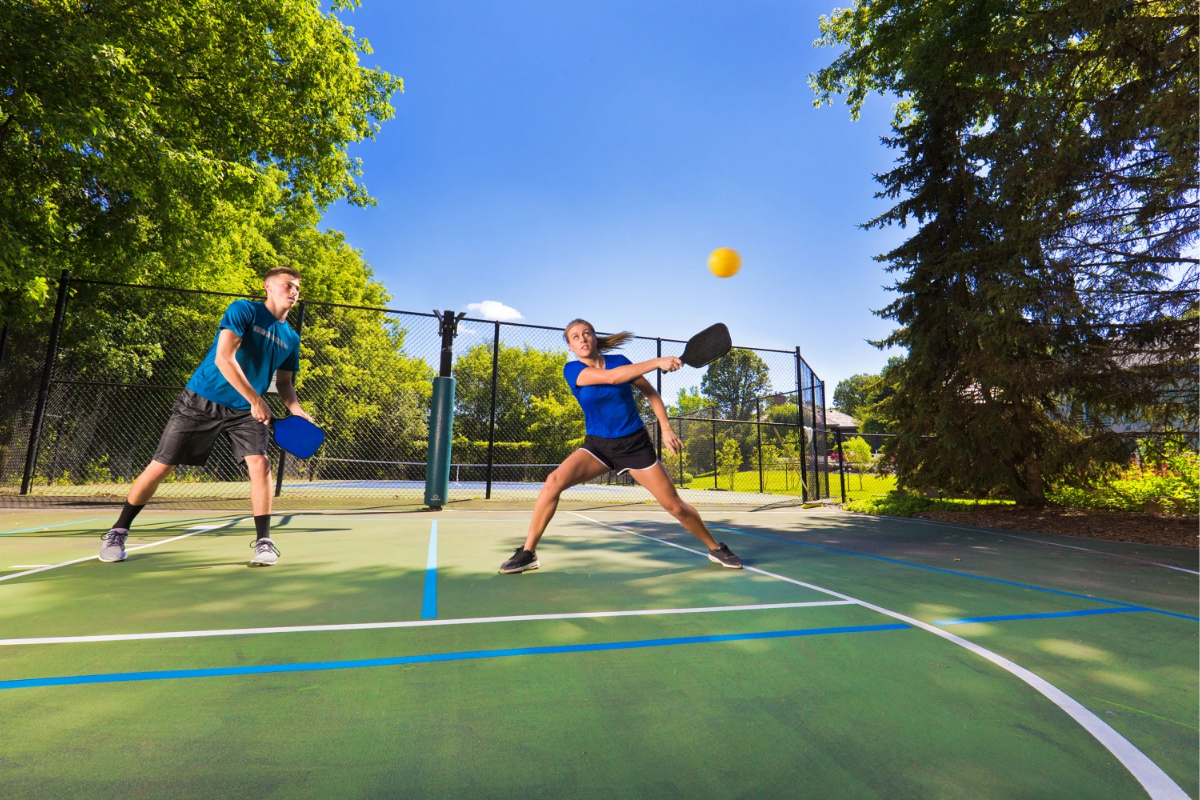
Best Sports for Beginners – walking into a new sport as a complete beginner can feel terrifying. Will everyone else know what they’re doing? Will you embarrass yourself in the first five minutes?
Here’s the secret nobody tells you — most beginners feel exactly the same way.
The good news? You don’t need to be an athlete. You don’t need expensive gear. And you definitely don’t need to master anything overnight. What you actually need is one sport that feels fun enough to keep you coming back.
We’ve looked at over 30 options and picked 6 of the best sports for beginners — not because they’re “easy” in a boring way, but because they’re welcoming, rewarding, and genuinely enjoyable even when you’re just starting out.
Let’s break them down.
1. Swimming — The Ultimate Low-Risk, High-Reward Sport
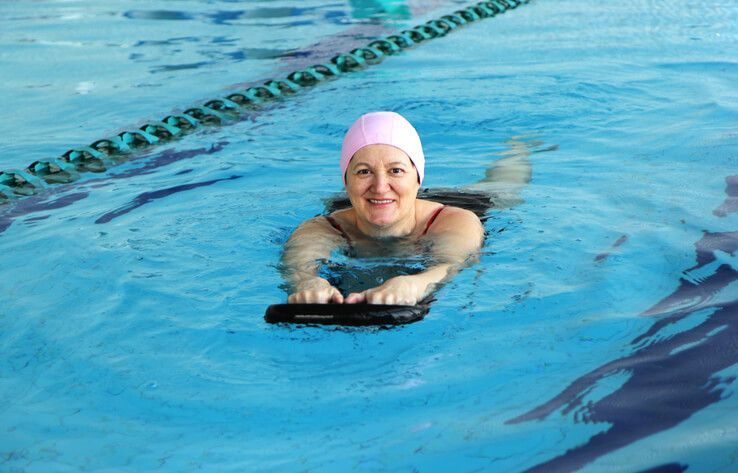
If you had to pick one sport that’s nearly impossible to mess up as a beginner, swimming would be it.
Why it works for beginners:
Water supports your body weight, which means almost zero joint strain. You can go as slow as you need. You can stop mid-lap and just float. There’s no pressure to keep up with anyone else.
What it builds:
- Full-body strength (without weights)
- Cardiovascular endurance
- Lung capacity and breath control
- Mental calmness (yes, swimming is surprisingly meditative)
Real talk: Many adults assume swimming is “too easy” or “not a real workout.” That’s wrong. A steady 30-minute swim burns as many calories as running, but without the knee pain.
How to start: Most local pools offer adult beginner lessons. Or just go during a quiet hour and practice floating, then basic freestyle. No coach required.
Beginner tip: Don’t try to breathe every stroke. Breathe every 2-3 strokes. Your lungs will thank you.
2. Cycling — Freedom on Two Wheels (With a Side of Leg Strength)
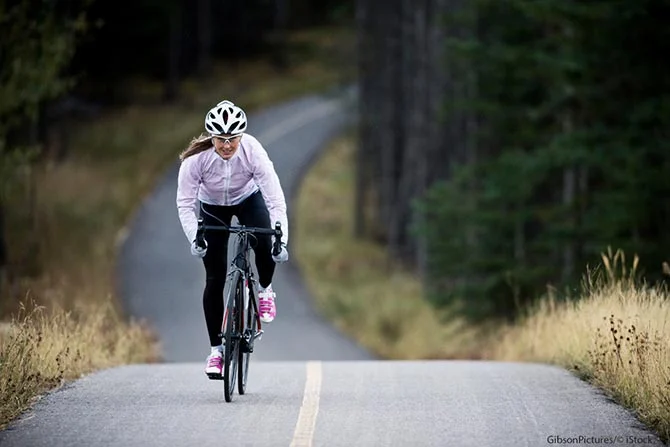
Cycling doesn’t feel like a sport. That’s exactly why it’s one of the best sports for beginners. It feels like childhood. Like exploring. Like a Sunday morning with no agenda.
Why it works for beginners:
You already know how to ride (mostly). You control the intensity — flat roads are gentle, hills are optional. And unlike running, you can cover real distance without feeling destroyed afterward.
What it builds:
- Lower body strength (quads, glutes, calves)
- Balance and spatial awareness
- Endurance without high impact
- Mental clarity (outdoor cycling specifically)
Real talk: You don’t need a £2,000 carbon fiber bike. A second-hand hybrid or commuter bike is perfect for the first year. Spend your money on a helmet and a padded seat instead.
How to start: Pick a flat, low-traffic route. Ride for 15 minutes away from home, then turn around. That’s 30 minutes. Do that twice a week. Increase time before increasing speed.
Beginner tip: Sore hands after riding? Loosen your grip. You’re holding on too tight — a classic beginner move.
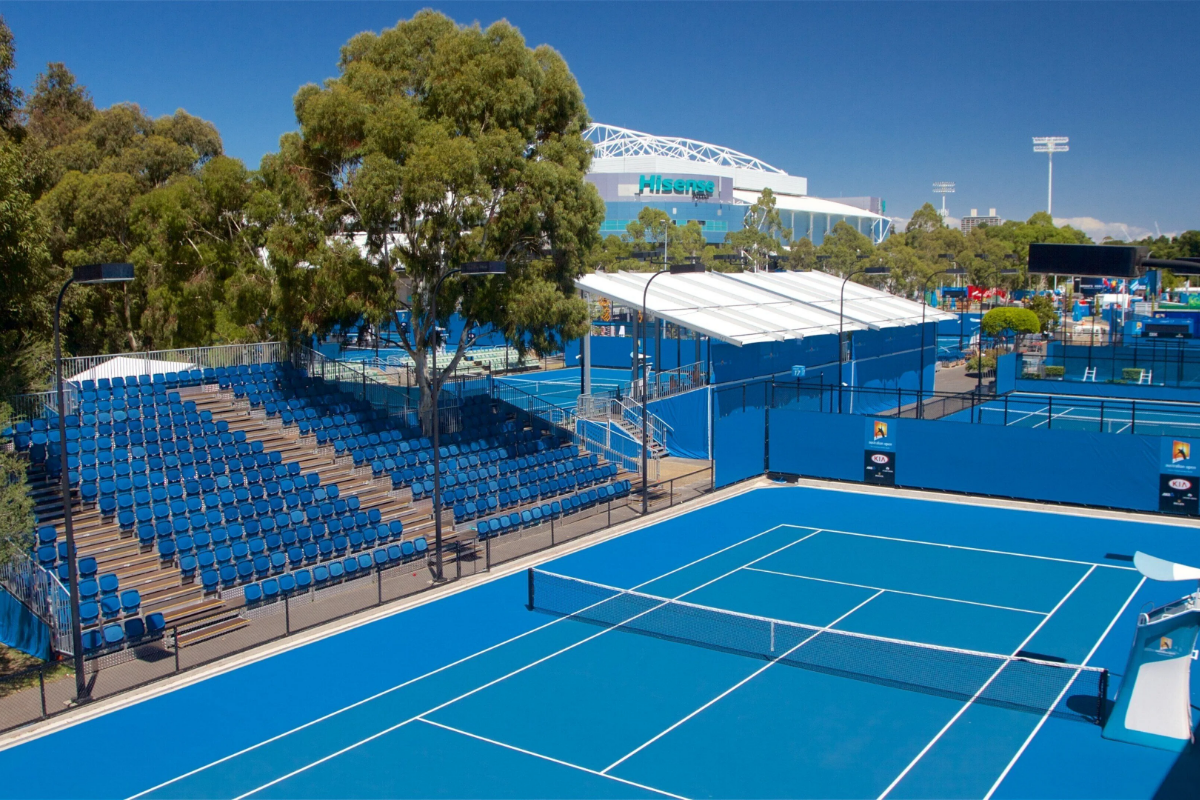
3. Tennis — More Fun Than You Remember From School PE
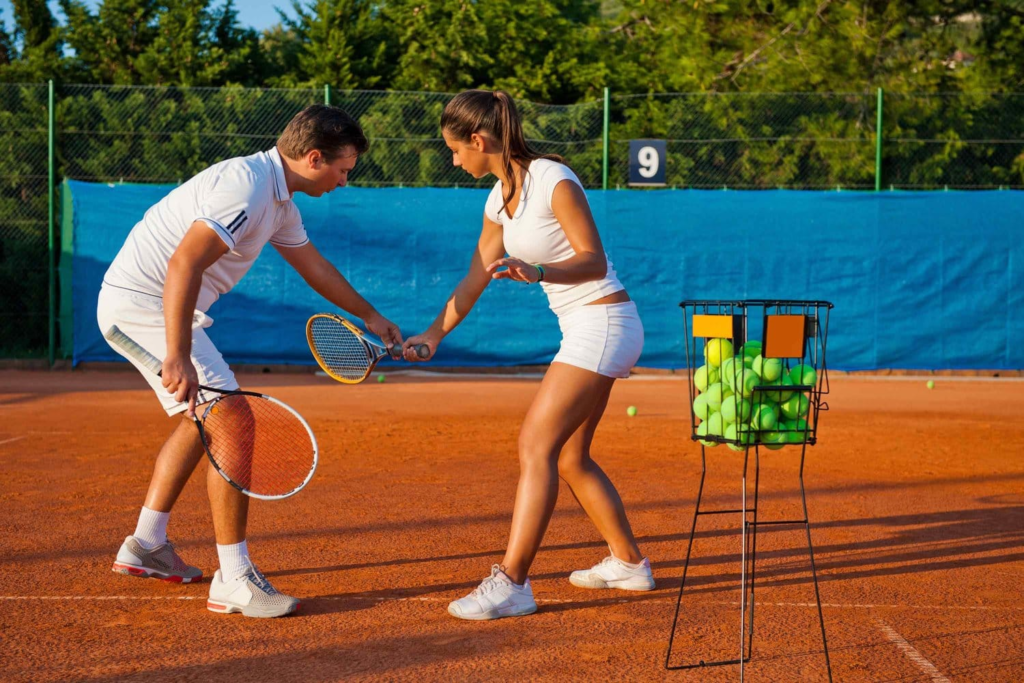
Most people’s memory of tennis involves chasing balls into a fence during high school gym class. Forget that version. Adult beginner tennis is completely different.
Why it works for beginners:
Tennis has clear, simple rules. You take turns hitting the ball, so there’s no chaotic scramble. And because the court is small, you’re not running marathons between shots.
What it builds:
- Hand-eye coordination (improves faster than you’d think)
- Agility and quick lateral movement
- Upper body and core strength
- Social connection (doubles is a blast)
Real talk: You will miss the ball. A lot. So will every other beginner. That’s normal. After 3-4 sessions, something clicks, and rallies suddenly feel magical.
How to start: Most local clubs offer “adult starter” courses — often 4-6 weeks long. They provide rackets and balls. Show up. That’s the hardest part.
Beginner tip: Watch the ball hit your strings. Not where you want it to go. Just watch the contact point. Your aim will improve immediately.
4. Badminton — The Sneaky Cardio Sport (That’s Easier Than Tennis) – Best Sports for Beginners
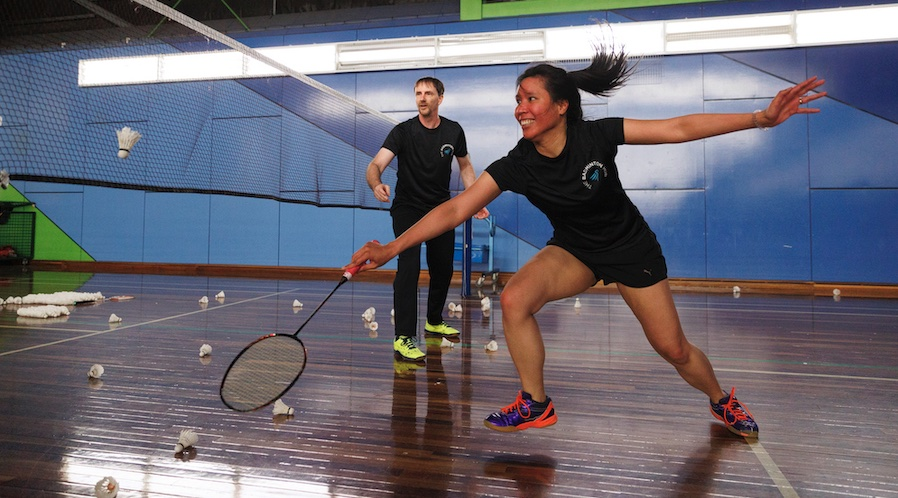
Badminton gets dismissed as “garden party” sport. That’s a mistake. At any indoor court, badminton is fast, sweaty, and addictive.
Why it works for beginners:
The racket is light. The shuttlecock moves slower than a tennis ball (but floats unpredictably — that’s the fun part). You can play singles or doubles. And the court is small, so you’re not sprinting endlessly.
What it builds:
- Reflexes (shuttlecocks change direction fast)
- Wrist strength and control
- Aerobic endurance (long rallies get your heart pumping)
- Low-impact movement (easier on knees than tennis)
Real talk: Badminton is one of the few sports where beginners can have real, competitive rallies within the first hour. That instant gratification keeps people coming back.
How to start: Buy a basic set (£15-20). Find a local leisure centre with badminton nights. Most have “social play” sessions where players mix in and rotate partners.
Beginner tip: Don’t smash. Seriously. Beginners try to smash everything. Focus on clearing the net by a few inches. Consistency beats power every time.
5. Boxing (Fitness Style) — No Fighting Required – Best Sports for Beginners
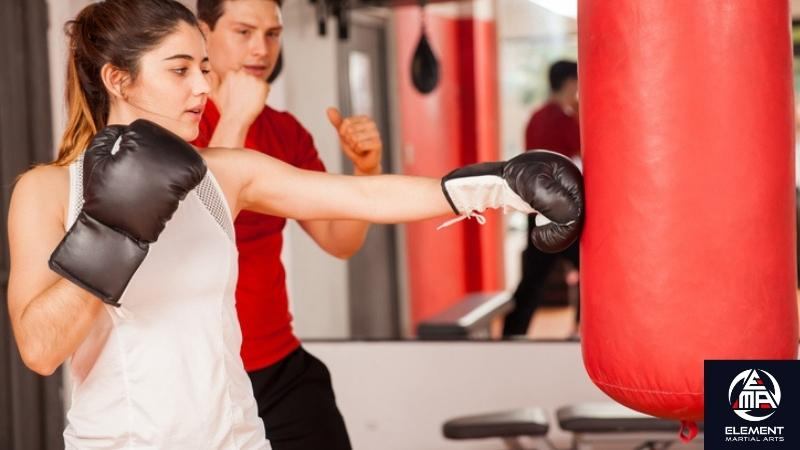
When people hear “boxing for beginners,” they imagine getting punched in the face. That’s not what we’re talking about.
Fitness boxing — hitting pads, heavy bags, and doing boxing-inspired circuits — has exploded for good reason. It’s empowering. It’s exhausting in the best way. And nobody hits you.
Why it works for beginners:
You don’t need timing or coordination at first. You just punch. Classes are structured, dark, and loud — so no one’s watching you struggle. And the learning curve is satisfyingly fast.
What it builds:
- Cardiovascular fitness (heart rate spikes fast)
- Upper body and core strength
- Coordination and rhythm
- Stress relief (punching things is therapeutic)
Real talk: Your first class will humble you. After three rounds of hitting pads, your arms will feel like noodles. That’s normal. Within two months, you’ll feel like a different person.
How to start: Look for “boxing fitness” or “boxercise” classes — not combat gyms. Hand wraps and gloves are usually provided for the first session.
Beginner tip: Keep your thumbs outside your fists when wrapping hands. Thumbs inside get injured. Small detail, huge difference.
6. Rock Climbing (Bouldering) — The Puzzle You Solve With Your Body
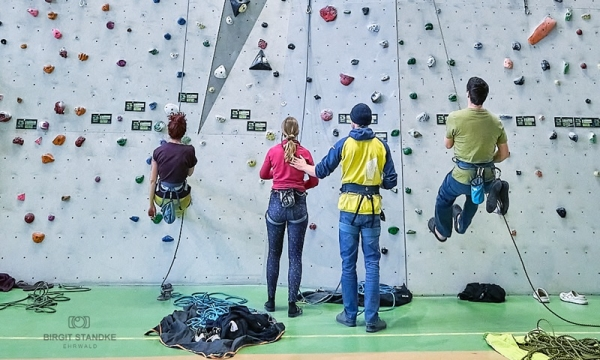
This one surprises people. Rock climbing — specifically bouldering (climbing low walls without ropes) — has become one of the best sports for beginners in the last five years. Why? Because it’s part physical, part mental puzzle.
Why it works for beginners:
Bouldering walls have routes for every level, including “VB” (very beginner). You don’t need strength — you need problem-solving. And because the climbs are short (10-15 feet), falls are safe onto thick mats.
What it builds:
- Functional strength (grip, back, core)
- Flexibility and body awareness
- Mental focus (each climb is a puzzle)
- Confidence (solving a hard route feels amazing)
Real talk: You’ll see tiny people climb circles around muscular beginners. That’s because climbing is about technique, not power. Use your legs, not your arms.
How to start: Find a bouldering gym. Rent shoes (they’re tight — that’s normal). Try the easiest color route. Climb up. Jump down. Repeat.
Beginner tip: Keep your arms straight as much as possible. Bent arms tire out in 30 seconds. Straight arms let your skeleton do the work.
Quick Comparison: Which Beginner Sport Fits You Best? – Best Sports for Beginners
| Sport | Best For | Impact Level | Social or Solo? | Startup Cost (AUD) |
|---|---|---|---|---|
| Swimming | Joint-friendly cardio | Low | Solo (or club) | ~A$20–A$80 |
| Cycling | Outdoor exploration | Low–Medium | Solo or group | ~A$200–A$1,000+ |
| Tennis | Hand-eye coordination | Medium | Social (doubles) | ~A$80–A$250 |
| Badminton | Fast reflexes, low impact | Low | Social | ~A$20–A$100 |
| Fitness Boxing | Stress relief & HIIT | Medium | Class-based | ~A$80–A$200 |
| Bouldering | Strength + puzzles | Low (risk-aware) | Solo but social gym | ~A$50–A$180 |
One Last Thing Before You Start – Best Sports for Beginners
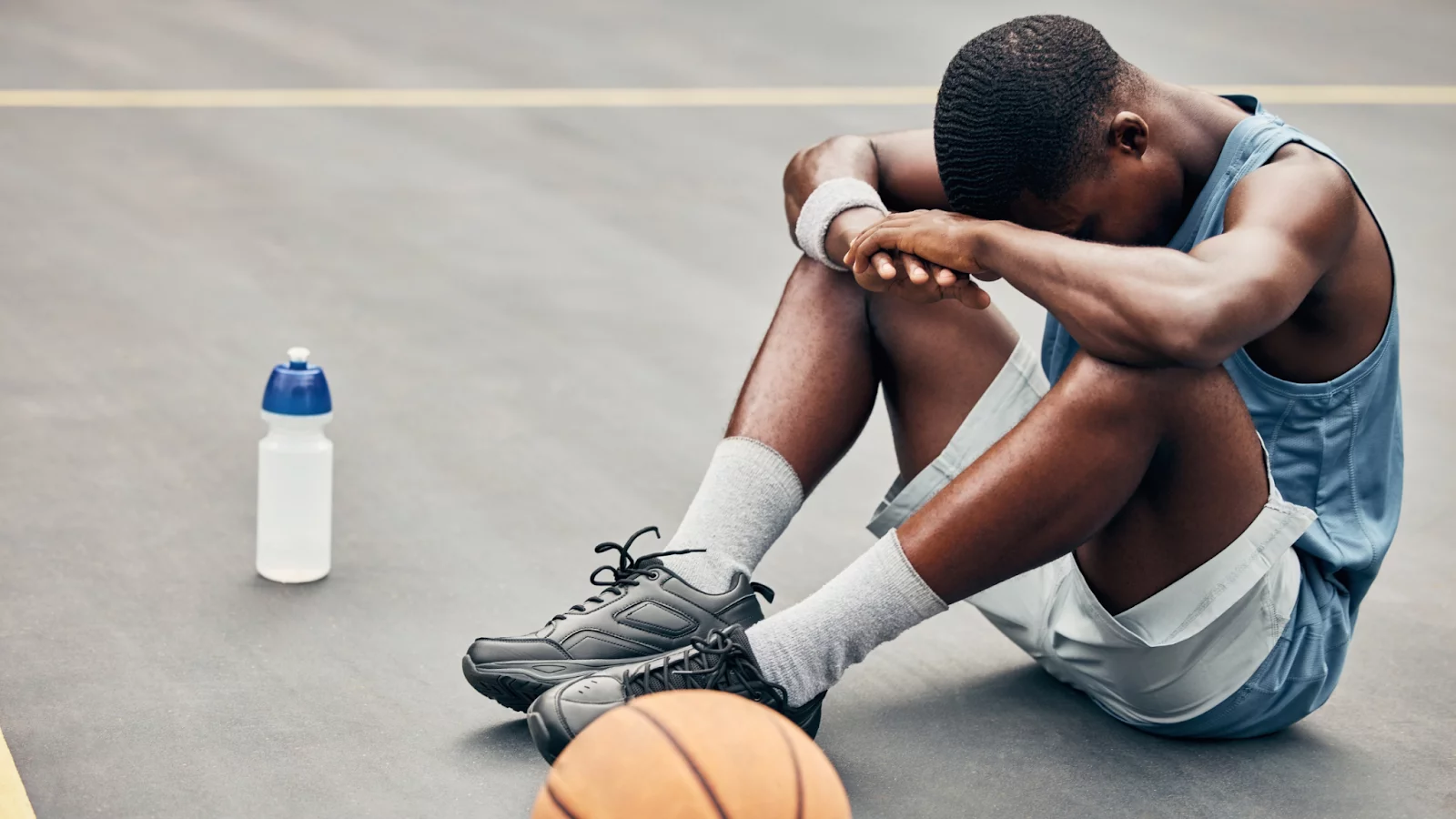
Here’s what nobody tells you about beginner sports: the first three sessions are the hardest. Not because of fitness — because of self-consciousness.
You’ll feel clumsy. You’ll think people are watching. You’ll want to quit after 15 minutes.
That’s normal. Push through anyway.
By session four, something shifts. Your body starts remembering. Your brain stops overthinking. And suddenly, a sport that felt intimidating becomes… fun.
That’s the moment it stops being “exercise” and starts being something you actually look forward to.
So pick one from the list. Not the “best” one. Not the one that burns the most calories. Just the one that sounds fun to you.
Then show up. That’s 90% of success right there.