Easy Sports to Learn – You’ve been thinking about getting active. Maybe you want to make friends. Or perhaps you’re just tired of the same old routine. But every time you look into sports, it feels overwhelming. Expensive gear. Complicated rules. People who’ve been playing since they could walk.
Here’s what nobody tells you: plenty of sports were literally designed for people like you.
Not the elite athletes. Not the kids who grew up on competitive teams. Just regular humans who want to move, have fun, and maybe learn something new without feeling stupid.
What Actually Makes a Sport “Easy” Anyway?
Before we dive into specific activities, let’s talk about what separates an accessible sport from one that’ll leave you frustrated after one afternoon.
The gear factor. Some sports demand hundreds of dollars before you even start. Others? A pair of sneakers and you’re done. According to research from The Campanile, equipment costs are one of the biggest reasons people never start a sport they’re curious about.
The rulebook thickness. Ever tried learning cricket from scratch? Or American football without someone explaining it live? Yeah. Simple sports have simple rules. Pickleball takes about ten minutes to understand. Bowling? Even less.
Your body’s vote. The National Library of Medicine notes that sports attrition happens when people push too hard too fast. Low-impact options like swimming and cycling let you build fitness gradually without waking up unable to walk the next day.
The flexibility test. Can you do this alone when you want? With friends when you feel social? Indoors when it’s raining? The more flexible a sport, the more likely you’ll stick with it.
Community access. This one’s huge. Even the simplest sport feels impossible if you don’t know where to play. Platforms like TeamLinkt (free, by the way) help beginners find local groups, manage schedules, and actually show up.
The 10 Easiest Sports to Learn (Seriously, Anyone Can Do These) – Easy Sports to Learn
Let me walk you through options that won’t make you feel like a fool on day one. I’ve included notes on cost, learning curve, and social potential.
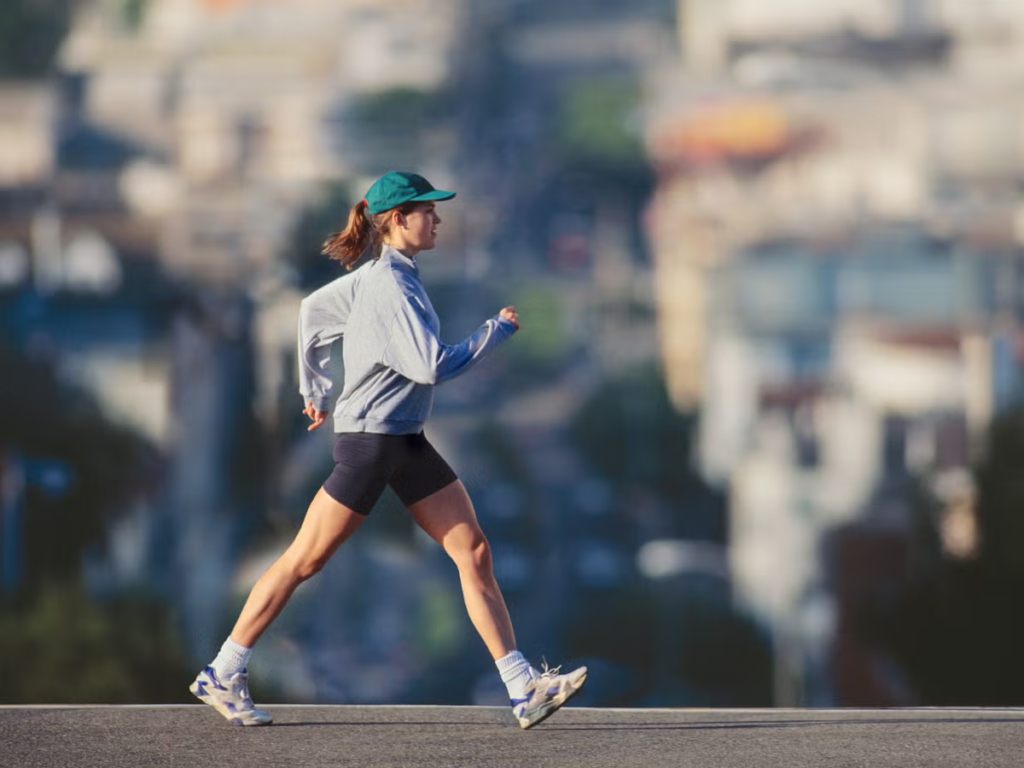
Walking & Power Walking
Cost: Free
Learning time: Zero minutes
Best for: Absolute beginners, people recovering from injury, anyone who says “I hate exercise”
Walking gets dismissed because it’s simple. That’s exactly why it belongs here. Put on shoes. Go outside. Move. A 2023 study published in the British Journal of Sports Medicine found that walking just 30 minutes daily reduced all-cause mortality by 20% in previously sedentary adults. No gym membership required.
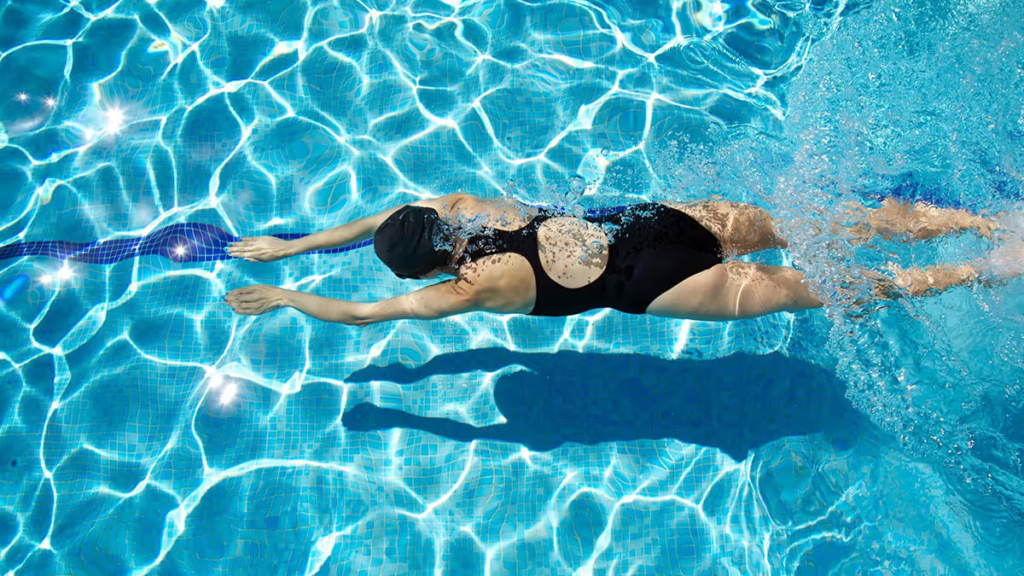
Swimming
Cost: Pool access ($5-10 usually)
Learning time: Basic floating within one lesson
Best for: Joint pain, hot climates, full-body workout seekers
Here’s something most articles won’t tell you: swimming is the only sport that works every major muscle group simultaneously while putting zero impact on your joints. According to the CDC, regular swimming reduces osteoarthritis pain by 40% in older adults. Plus, you never sweat. Well, you do, but nobody can tell.
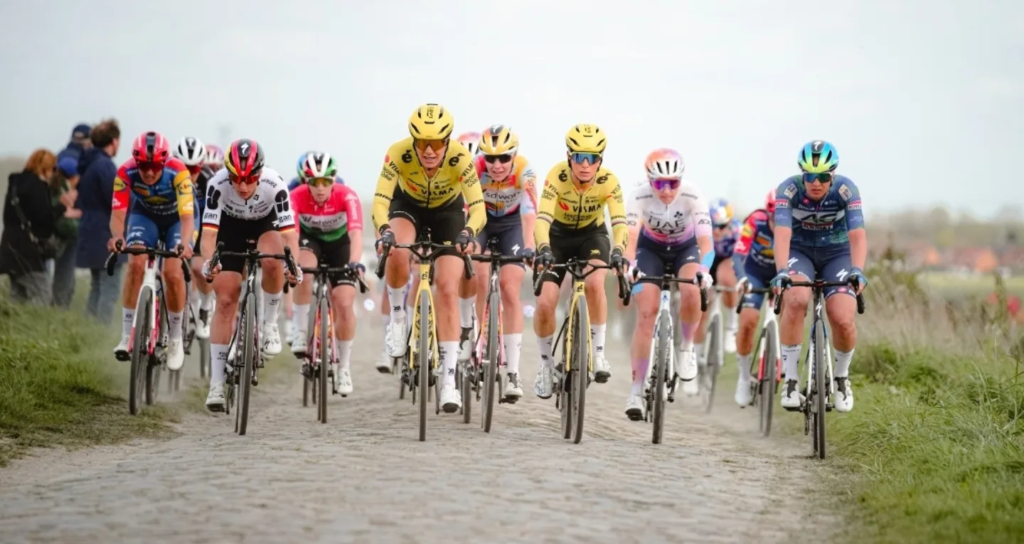
Cycling
Cost: $50-200 for a basic used bike
Learning time: You already know this (unless you’re five)
Best for: Commuters, solo adventurers, people who hate crowds
Cycling builds cardiovascular fitness faster than walking but without running’s joint punishment. The American Heart Association ranks cycling among the top three activities for long-term heart health. Start on flat bike paths. Avoid hills until week two. You’ll thank me.
Pickleball
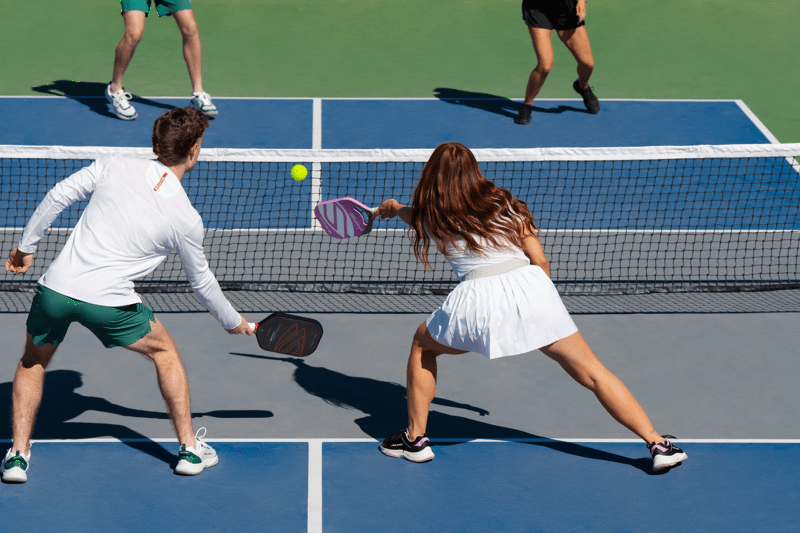
Cost: $30-50 for a starter paddle
Learning time: 10-15 minutes
Best for: Tennis refugees, older adults, social butterflies
Pickleball exploded for a reason. The court is smaller than tennis. The ball moves slower. The rules are straightforward. According to the Sports & Fitness Industry Association, participation grew by 159% between 2019 and 2023. That means you’ll find beginners everywhere. You won’t be alone.
Disc Golf
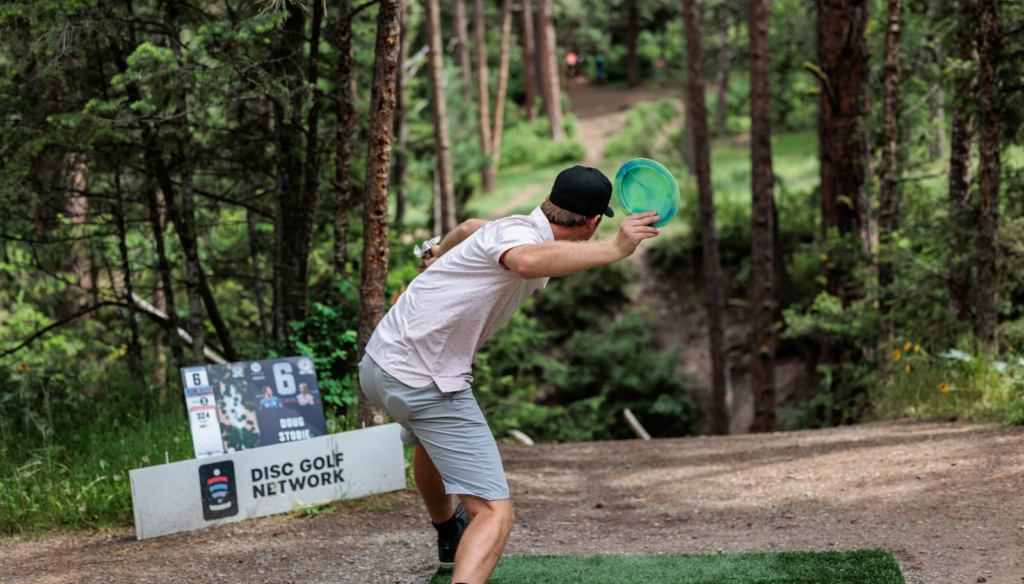
Cost: $25 for three discs
Learning time: One round
Best for: Hikers, budget-conscious folks, former Ultimate players
Disc golf lives in public parks. Free parks. You walk through nature, throw discs at chains, and keep score if you want. Most courses are free. The Professional Disc Golf Association reports over 12,000 courses worldwide, with 80% located in public spaces. No tee times. No membership fees.
Bowling
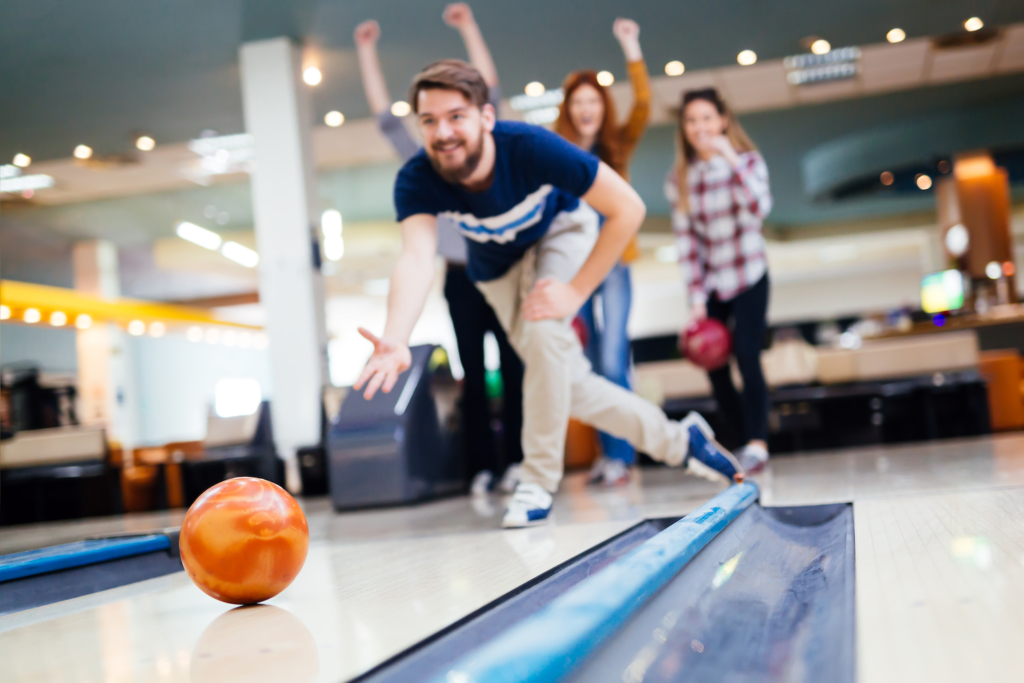
Cost: $15-25 per game with shoe rental
Learning time: Five minutes
Best for: Rainy days, groups, people who want snacks mid-activity
Bowling gets overlooked because it feels like recreation, not “sport.” Who cares? You’re moving, using muscles, and having fun. The United States Bowling Congress notes that 67 million Americans bowl annually. Most alleys offer bumper lanes and lightweight balls (6-10 pounds) specifically for beginners.
Basketball
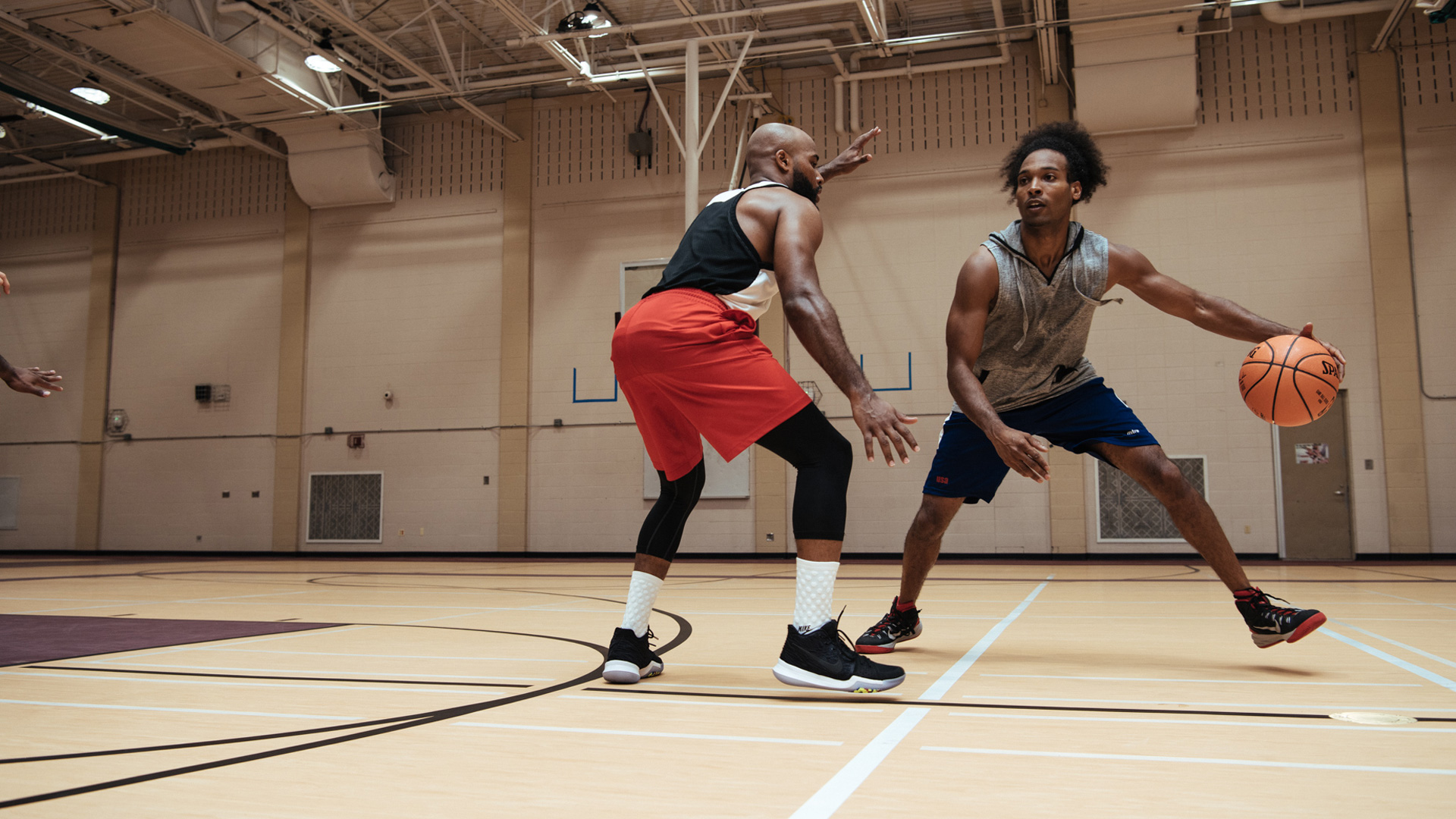
Cost: $15-30 for a ball, free courts everywhere
Learning time: Shooting around takes zero skill
Best for: Tall people, competitive types, anyone with a driveway
Here’s the secret nobody tells you about basketball: you don’t need to play full-court games. Just shooting alone burns 300-400 calories per hour. Dribbling drills improve coordination. And when you’re ready for games, pickup culture is famously welcoming to beginners (just call your fouls).
Soccer
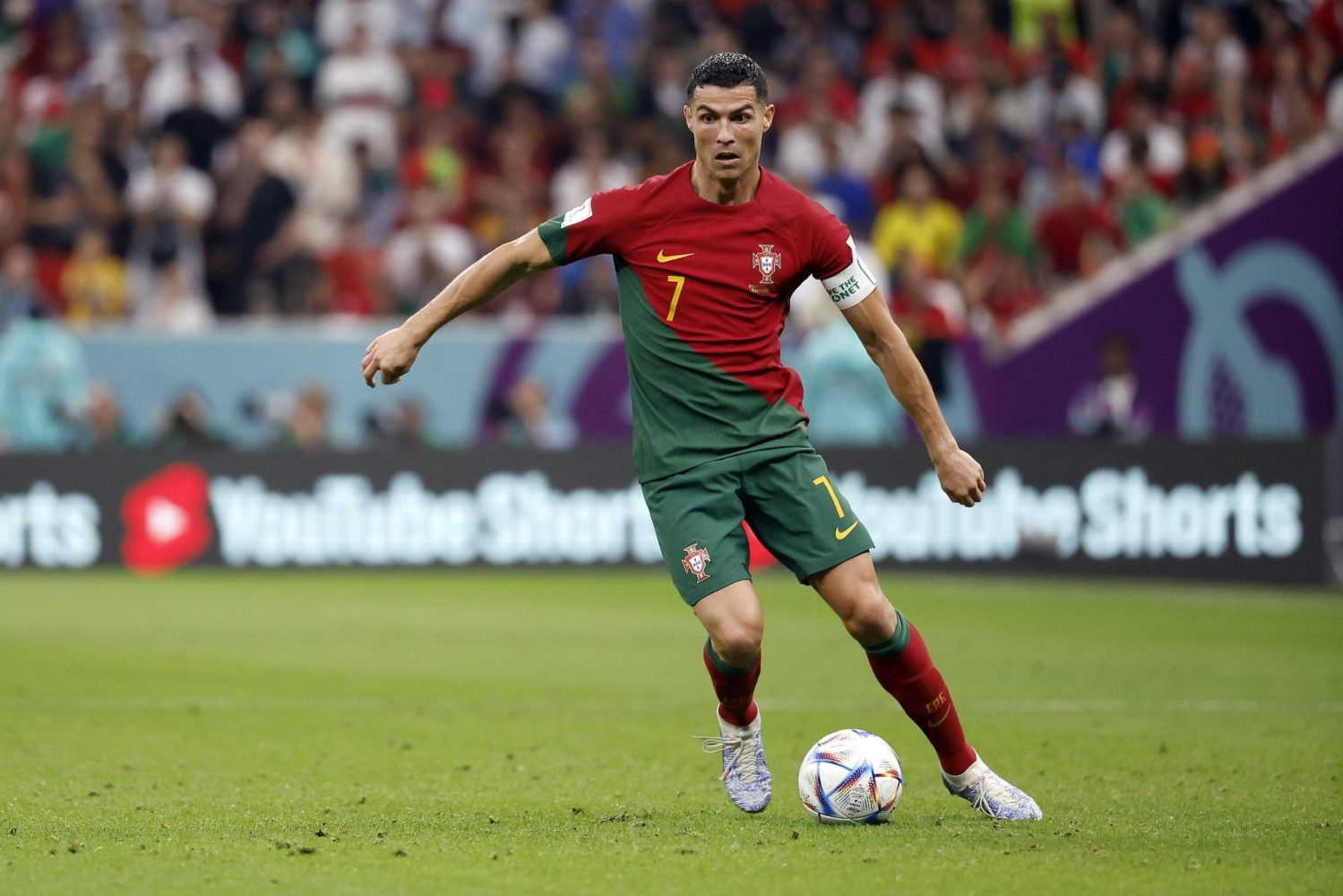
Cost: $10-20 for a ball, $20 for basic cleats if you want
Learning time: Basic kicking and passing within one session
Best for: Global travelers, endurance builders, team players
Soccer is the world’s sport because it’s the world’s simplest sport. Kick ball into goal. Don’t use hands. That’s 90% of it. FIFA estimates 265 million people play regularly across every continent. Most cities have adult beginner leagues through parks departments or platforms like TeamLinkt.
Recreational Softball
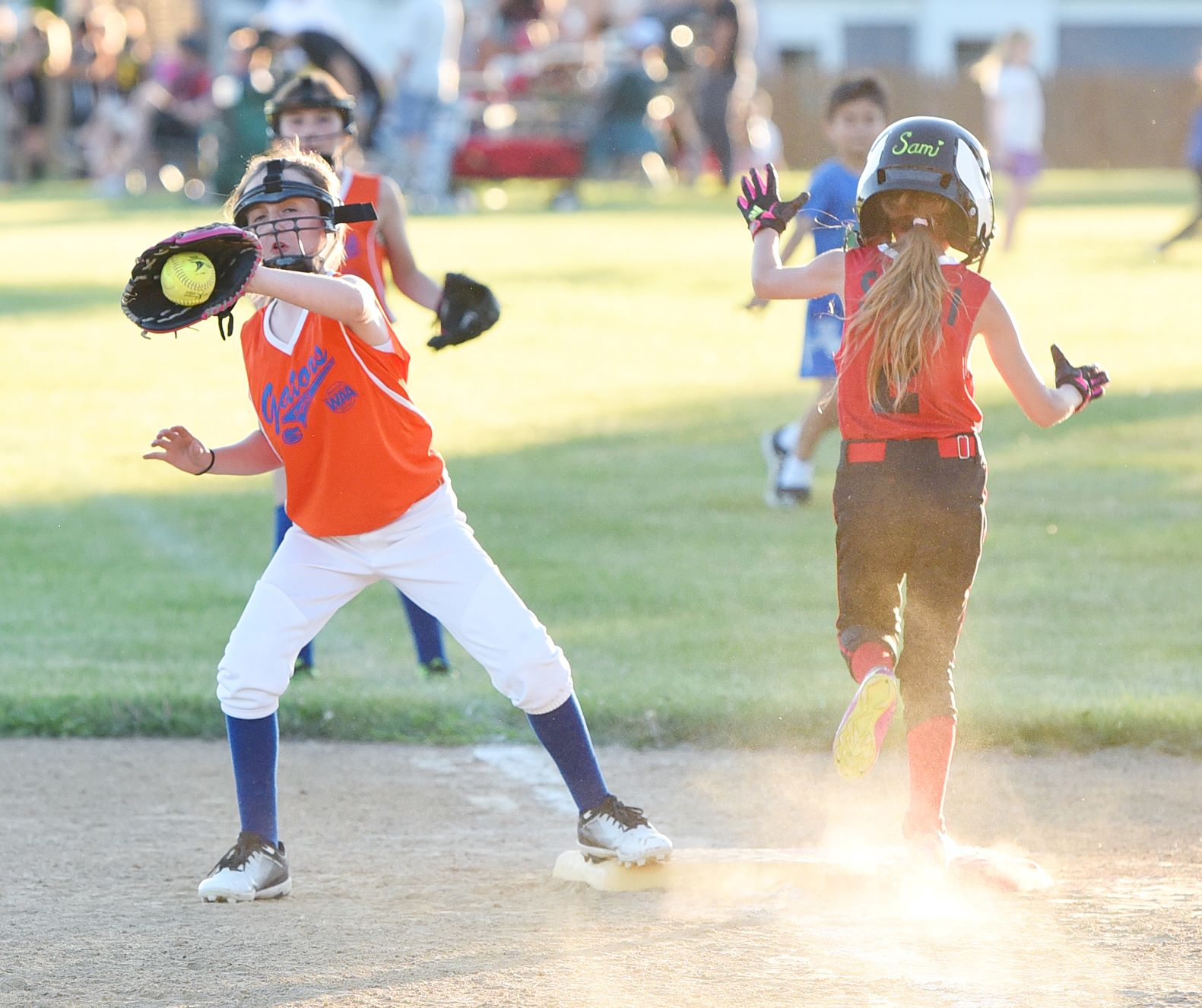
Cost: $20-40 for a glove, leagues often provide bats
Learning time: Hitting a slow pitch takes practice, but fielding is intuitive
Best for: Former baseball kids, office teams, beer league enthusiasts
Slow-pitch softball changed my relationship with team sports. The ball comes in at 25 mph instead of 90. The bases are closer. Everyone bats. No one yells. The Amateur Softball Association reports over 1.5 million adults play recreational softball annually, with most leagues offering “never played before” divisions.
Volleyball
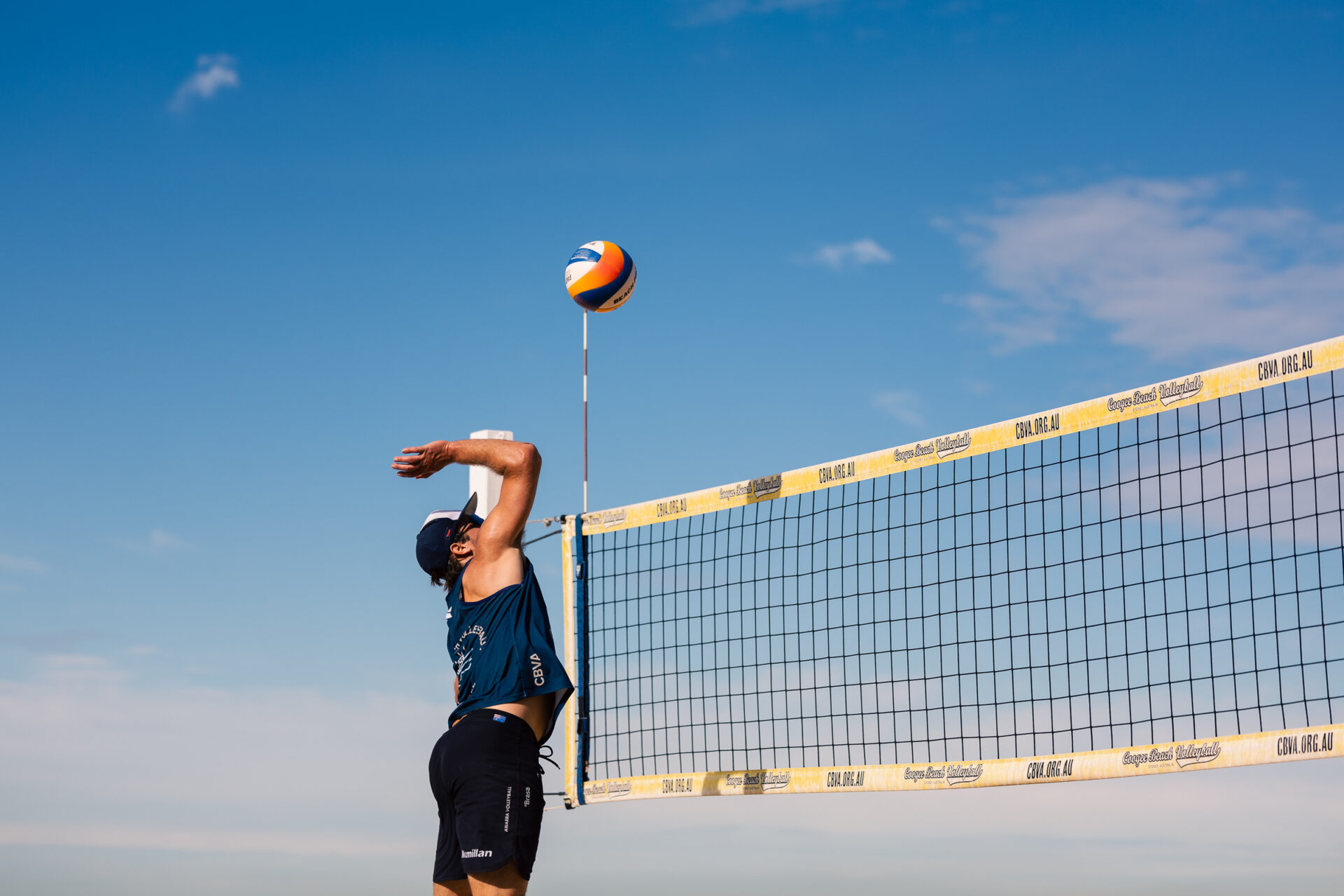
Cost: Free at beaches and parks, $10-20 for a ball
Learning time: Basic bumping and serving within one hour
Best for: Beach days, tall people, groups of friends
Volleyball teaches itself. Hit ball over net. Keep it in bounds. Don’t let it touch the ground on your side. According to the NCAA, volleyball has the lowest injury rate among major team sports, making it ideal for cautious beginners. Beach volleyball adds the joy of sand and sunshine.
How to Actually Pick the Right Sport for You
Stop. Don’t just pick the first one that sounds fun. Run through this quick decision framework.
Your personality matters more than you think. Time Magazine reported that people who align activities with their natural tendencies stick with them 3x longer. Extroverts should try volleyball, basketball, or softball. Introverts? Disc golf, cycling, or walking solo.
Your schedule determines everything. Can you commit to a weekly team practice? Great. Try soccer or volleyball. Is your calendar chaos? Pick walking, swimming, or disc golf where you show up whenever.
Your body deserves respect. Knee issues? Swimming and cycling are your friends. Back problems? Walking and bowling keep things gentle. Want cardio without joint pain? Pickleball and disc golf deliver.
Your wallet gets a vote. According to a 2024 survey by Aspen Institute’s Project Play, 45% of families cite cost as the primary barrier to sports participation. Free options: walking, disc golf at public courses, basketball at outdoor courts. Low-cost options: swimming at community pools, bowling with group rates, pickleball at public courts.
Quick Decision Matrix
| If you want… | Choose this… | Why it works |
|---|---|---|
| Zero learning curve | Walking | Put shoes on. Go outside. Done. |
| Meet new people | Pickleball or volleyball | Built-in social interaction, rotating partners |
| Solo time | Cycling or disc golf | Quiet, self-paced, outdoors |
| Family-friendly | Bowling or recreational softball | All ages can play together |
| Low-cost | Disc golf or basketball | Free public facilities everywhere |
| Indoor option | Bowling or swimming | Weather never cancels your workout |
| Max calorie burn | Swimming or basketball | Full-body engagement |
| Joint-friendly | Walking or cycling | Low-impact by design |
Practical Tips for Your First Week (Not Generic Advice) – Easy Sports to Learn
Most beginner guides tell you to “start slow” and “have fun.” Let me give you actual actionable steps.
Don’t buy the expensive stuff first. That $200 pickleball paddle won’t make you better. Neither will $150 running shoes. Start with entry-level gear. For disc golf, buy three used discs ($15 total). For basketball, grab a $15 ball from Target. Upgrade only after you’ve played ten times.
Use the free tools available. TeamLinkt’s app costs nothing. It helps you find local beginner leagues, manage your schedule, and chat with teammates. Over 3 million athletes already use it. You’re not “too new” for organized play. That’s exactly who these platforms serve.
Watch one YouTube video before you go. Search “[sport name] for absolute beginners.” Ten minutes of watching beats two hours of confusion. Pay attention to basic form and safety tips, not advanced techniques.
Bring a friend or find a buddy. The biggest predictor of whether you’ll stick with a new sport? Social accountability. According to research from the University of Aberdeen, beginners with a workout partner are 65% more likely to continue after three months. Drag your spouse, your coworker, or your neighbor.
Set a stupidly small goal. Not “become a great player.” Try “show up twice this week.” Or “learn the basic rules.” Or “make one new friend at the court.” Tiny wins create momentum.
The Truth About Being a Beginner – Easy Sports to Learn
Everyone starts somewhere. Every skilled player you see was once terrible. The person dominating your local pickleball court probably couldn’t hit the ball six months ago. The cyclist climbing hills with ease walked their bike up those same hills last year.
You don’t need to be good. You just need to start.
The research backs this up. The National Library of Medicine found that sustainable sports participation depends entirely on initial enjoyment, not initial skill. If you have fun the first few times, you’ll keep going. If you keep going, you’ll improve automatically.
So ignore the voice that says you’re too old, too out of shape, too clumsy, or too late. Pick one sport from this list. Get the basic gear (or borrow it). Find a beginner-friendly group through TeamLinkt or your local parks department. Show up.
That’s it. That’s the whole secret.
Ready to Stop Reading and Start Playing?
Here’s your one actionable takeaway: before this week ends, do one thing.
Maybe you walk for 20 minutes. Maybe you buy a disc golf set for $25 and find a local course. Maybe you download the TeamLinkt app and browse beginner leagues in your zip code.
Don’t overthink it. Don’t wait for perfect conditions. Don’t convince yourself you need to get in shape first (that’s backwards).
Just start.
The sport won’t judge you. The other beginners won’t either. And six months from now, you’ll wonder why you waited so long.