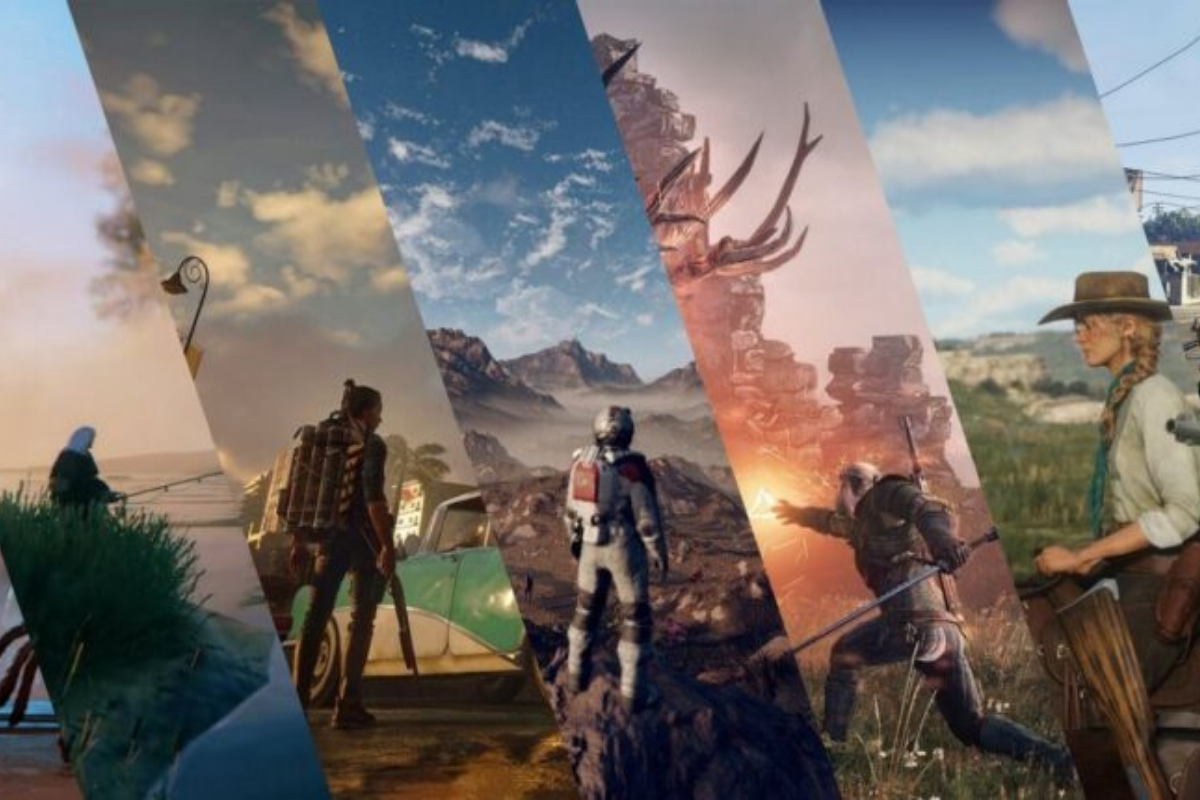
The modern gaming landscape has undergone a profound transformation, moving beyond simple escapism to become a vital “third place” for social and cultural interaction. Engaging with an open world game 2026 today is an act of digital citizenship; these spaces serve as communal hubs where players forge identities and share experiences that transcend physical borders. The industry has responded to this societal shift by focusing on “participatory design,” creating environments that are not just static backgrounds for stories, but reactive playgrounds where the player’s presence carries real weight. This year represents the pinnacle of this movement, as virtual worlds finally achieve the cultural gravity once reserved for traditional media like film or literature.
| Cultural Trend | Industrial Response | Impact on Players |
|---|---|---|
| Digital Escapism | Hyper-realistic environmental design | Deeper emotional connection to world-states. |
| Social Connectivity | Cross-platform shared sandboxes | Communities built around shared virtual goals. |
| Creative Agency | Physics-driven “creative” tools | Emergent gameplay that goes viral on social media. |
| Historical Interest | Accurate period simulations | Educational value through atmospheric immersion. |
Analyzing the Industrial Pivot Toward Density and Depth
For over a decade, the “bigger is better” mantra dominated developer boardrooms, often at the expense of player engagement. However, the current open world game 2026 market reflects a strategic retreat from raw scale in favor of “high-fidelity density.” The industry has realized that a mature audience—burdened by time constraints—prefers a deeply reactive urban block over a thousand miles of procedurally generated forest. This “less is more” philosophy has led to a surge in RPG open world titles that prioritize verticality and interior exploration, ensuring that every open door leads to a meaningful discovery rather than a loading screen or a hollow room.
- Sustainable Development: A move away from “crunch” culture by focusing on smaller, more detailed world-building.
- The Vertical Revolution: Utilizing 3D space in cities like Night City to maximize content without expanding map boundaries.
- Hand-crafted Longevity: Prioritizing unique side-stories over repetitive “radiant” quests to maintain player interest for years.
The Social Contract of Agency in Modern Exploration Games

In 2026, the value of a digital world is measured by the degree of agency it grants the inhabitant. We are seeing an industry-wide move toward “systems-driven” gameplay, where the player is given a set of tools rather than a set of instructions. This cultural shift is most evident in the success of exploration games like Elden Ring and Tears of the Kingdom, which treat the player as an intelligent architect of their own adventure. By removing the hand-holding and “GPS” mechanics of the past, developers are fostering a culture of genuine curiosity, where the reward for exploration is the knowledge gained rather than just a digital trophy.
Historical Accuracy and the Rise of Digital Preservation

A fascinating lens through which to view the current adventure games market is that of “interactive history.” There is a significant industrial trend toward using game engines as tools for digital preservation and cultural education. Titles like Kingdom Come: Deliverance 2 and Ghost of Yotei are not just games; they are immersive simulations of specific eras and heritages. This focus on “authentic” textures—from period-accurate architecture to the socio-economic behavior of NPCs—appeals to a demographic seeking more substance from their entertainment. It transforms the console into a time machine, allowing for a level of historical empathy that books or movies can rarely replicate.
- Cultural Heritage: Using local consultants and folklorists to ground worlds in authentic traditions.
- Atmospheric Realism: Prioritizing the “vibe” and sensory details of a time period over modern action tropes.
- Educational Utility: The growing use of “Discovery Modes” that allow players to explore without combat.
The “Forever World” and the Industry of Perpetual Evolution – Open world game 2026
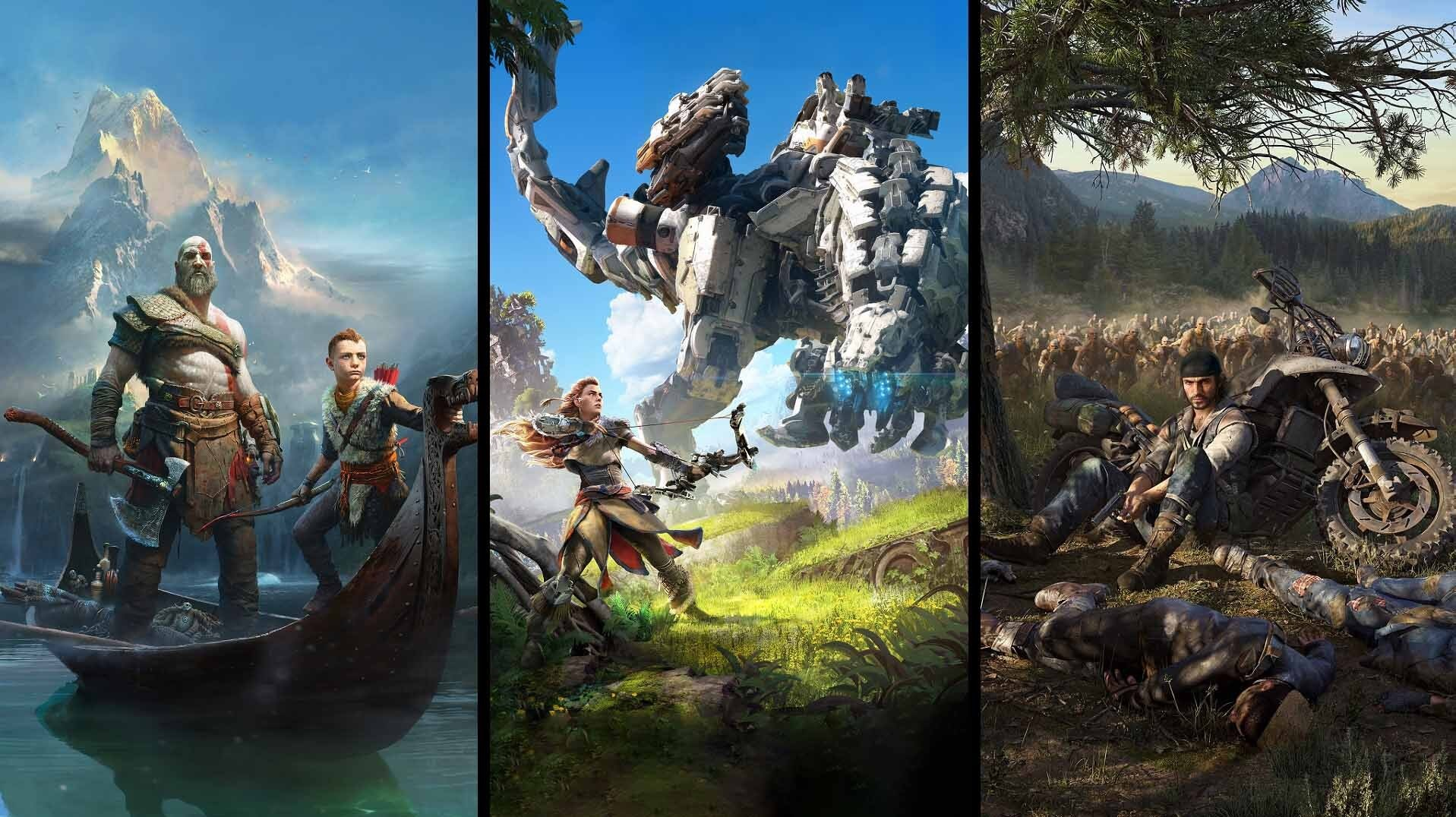
The concept of a “finished” game has become an outdated industrial relic in 2026. The success of live-service evolutions like No Man’s Sky and Sea of Thieves has proven that a game can—and should—be a living organism. This trend toward “Forever Worlds” has changed the way PC games and PS5 games are marketed and consumed; we no longer buy a product, we join a community. The upcoming open world games to watch in 2026 are all being built with this long-term cultural footprint in mind, focusing on foundational systems that can support a decade of seasonal updates and player-driven meta-narratives.
Final Perspective: The Maturation of the Open-World Medium – Open world game 2026
Looking through this cultural and industrial lens, it is clear that the open world game 2026 has reached a state of refined maturity. We have moved past the era of technical gimmicks into a period where virtual worlds are respected as sophisticated mirrors of the human experience. The industry is no longer just selling pixels; it is selling agency, community, and memory. The convergence of high-fidelity tech with deep narrative soul has created a landscape where the boundary between “the game” and “the culture” has effectively vanished.
As we look toward the horizon of the next decade, the lessons of 2026—density over scale, agency over scripts, and authenticity over hype—will continue to guide the evolution of the medium. These virtual frontiers are our modern wilderness, offering us the freedom to explore, the space to connect, and the chance to leave a permanent mark on a digital history. The journey into the open world is no longer just about the destination; it is about the person we become while wandering through it.