

The Australian PGA 2025 began with a format shaped heavily by weather disruptions and revised scheduling. Overnight storms reshuffled the Australian PGA 2025 tee times Royal Queensland, forcing players into staggered start windows that influenced everything from ball flight to green firmness.
Morning groups were greeted with softer surfaces and mild air, while the later groups faced firmer greens and more disruptive wind patterns. Several early examples showed how timing affected decision-making:
• Cameron Smith’s first-hour adjustments relied on lower-trajectory wedges to manage wet fringes.
• Joaquin Niemann’s late-afternoon wave demanded controlled knockdowns to combat rising gusts.
• Mid-wave players such as Anthony Quayle experienced the turning point as greens quickened around the 10th.
This dynamic meant Day 1 was as much about adapting to time-of-day variables as mastering Royal Queensland’s layout.
How Scoring Developed Across the Field
Spain’s Sebastian Garcia set the early benchmark with a strong seven-under, capitalising on the smoother, less trafficked putting surfaces in the morning. Shortly behind, Daniel Gale surged to five-under thanks to one of the day’s defining moments — a hole-in-one that injected confidence into the remainder of his round.
A four-under group — Ryan Fox, Anthony Quayle, Tapio Pulkkanen and Ding Wenyi — showcased how adaptable players could score regardless of their tee-wave position.
Australian contenders Adam Scott, Min Woo Lee and Cameron Smith all remained within reach, demonstrating that steady management outweighed aggression at this phase of the tournament.
Day 1 Leaderboard Snapshot
| Player | Score | Notes |
|---|---|---|
| Sebastian Garcia | -7 | Best early control, clean tempo |
| Daniel Gale | -5 | Boost from hole-in-one |
| Fox / Quayle / Pulkkanen / Ding | -4 | Chasing group tightly packed |
| Scott / Min Woo Lee / Smith | Within reach | Aussies settling early |
The opening leaderboard reflected conditions that tightened as the day progressed.
Why Shot Choice Mattered Under This Format – Australian PGA tee times
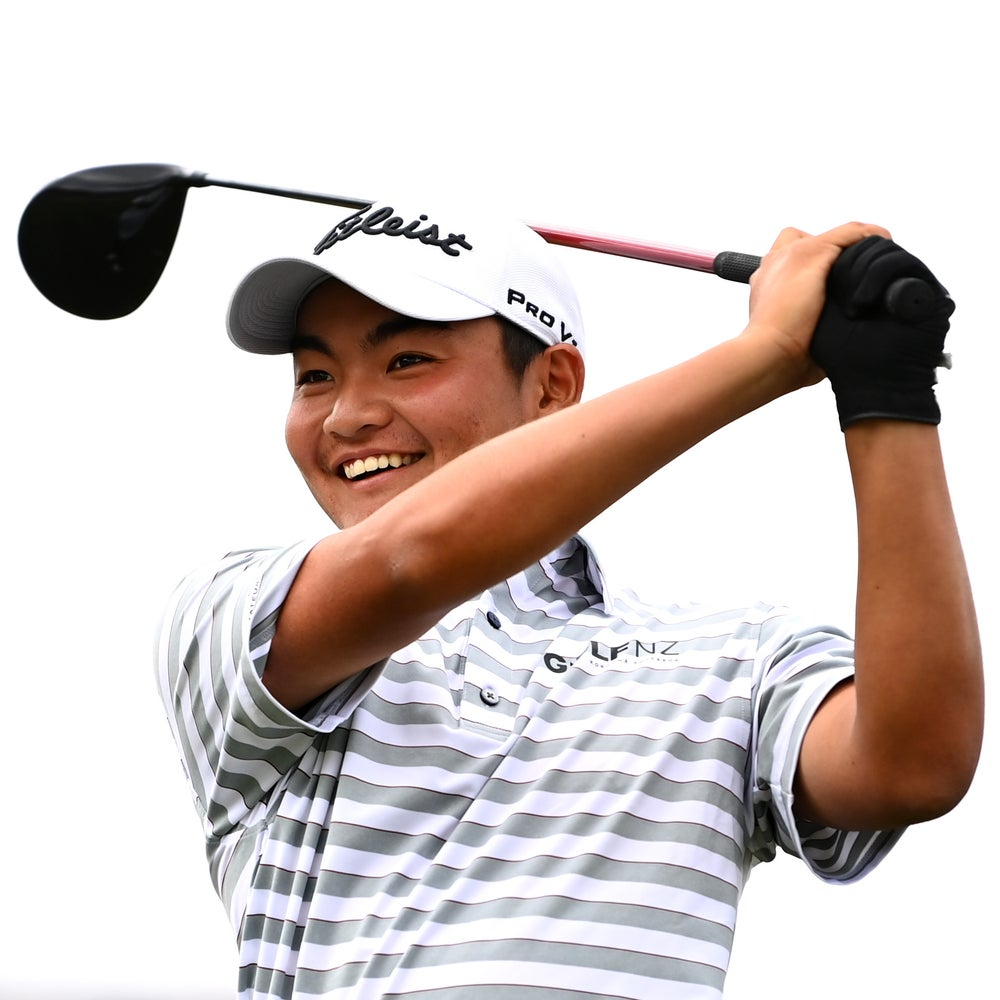
Day 1 offered a clear demonstration of how players tailored shot selection to the evolving setup.
Daniel Gale’s eight-iron from 154 metres for an ace exemplified the value of committing to carry distance during the softer morning phase. Kazuma Kobori’s 118-metre pitching-wedge ace reinforced how early calm windows rewarded players who trusted their initial read and trajectory.
Other examples highlighted format-specific adjustments:
• Adam Scott avoided high-spin wedges and instead played safer centre-green targets in breezier hours.
• Min Woo Lee deliberately lowered his iron trajectories when crosswinds sharpened late in the day.
• Ding Wenyi used bump-and-run techniques around firmer surrounds rather than floating lofted shots.
These choices demonstrated that players who recognised course timing were better positioned to stay error-free.
How the Australians Adapted to Timing, Firmness and Wind – Australian PGA tee times
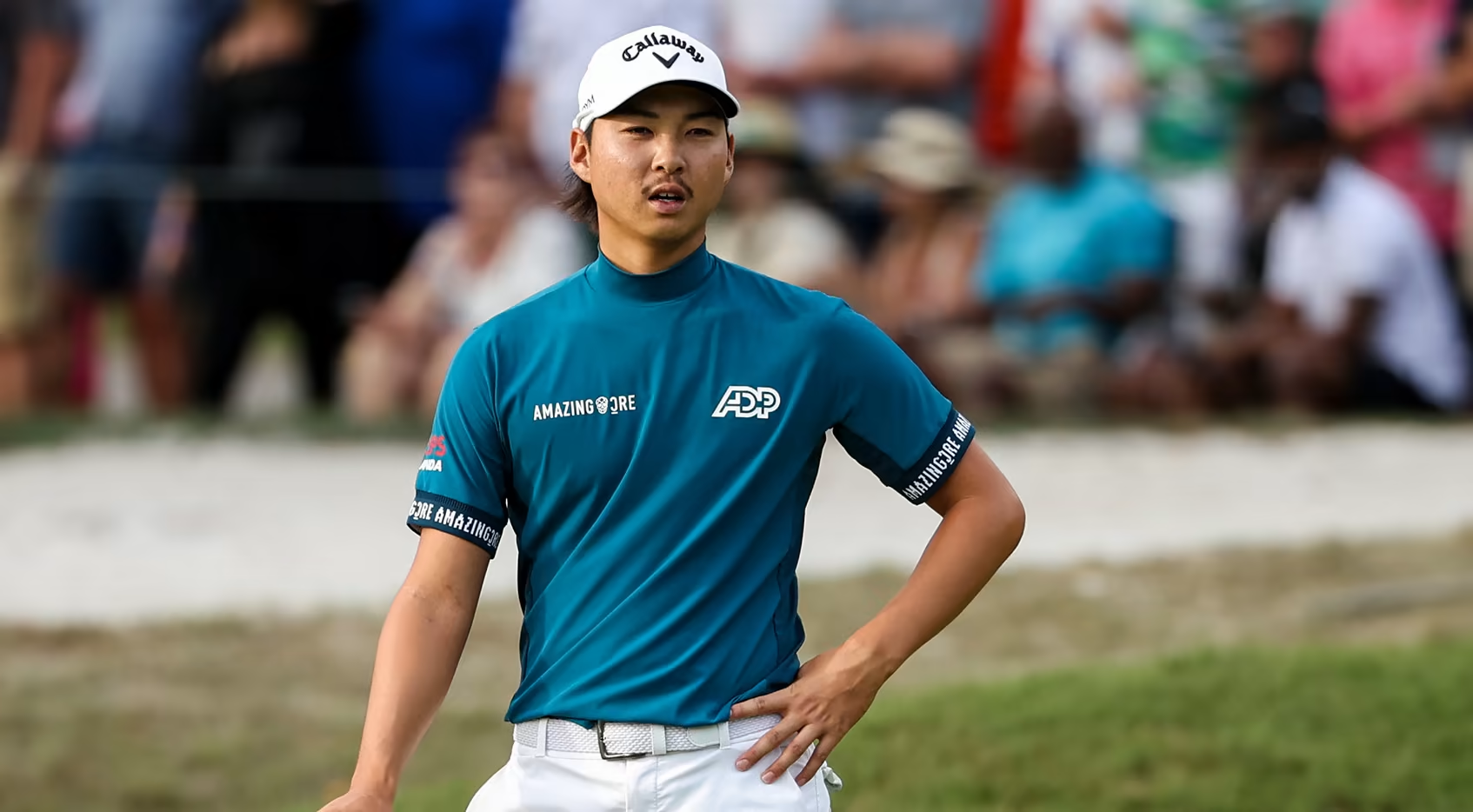
The local favourites approached Day 1 with tailored game plans suited to their tee slots.
Cameron Smith opened with a two-under 69, relying on improved green reading after misjudging two early chips. His early start meant softer conditions, but lingering moisture demanded caution around the fringes.
Min Woo Lee posted three-under by structuring his round around course discipline — avoiding unnecessary risk on par-5s and trusting his ball flight across shifting wind pockets.
Adam Scott’s 68 represented clean management. He controlled his pace well on the firming greens, particularly on the back nine where several groups struggled.
Meanwhile, Anthony Quayle, with Steve Williams alongside him, used precise club selection to craft a bogey-free 67 — one of the most strategically sound rounds of the day.
How the International Contingent Used the Format to Their Advantage

International players adapted well to the conditions and timing demands of Day 1.
Examples included:
• Ryan Fox, delivering a tidy four-under round built on reliable wedge shaping in the mid-morning calm.
• The Spanish trio — Garcia, Puig and Ballester — taking advantage of smoother green speeds before afternoon firmness took hold.
• LIV players Niemann, Ancer and Leishman, who stayed composed through the lightning suspension, maintaining structured pacing despite the interruption.
The afternoon pattern suggested that players with experience in stop-start conditions performed better as timing windows fluctuated.
What Day 1 Teaches Us About the Tournament Ahead
The first round of the Australian PGA 2025 tee times Royal Queensland demonstrated how course timing, weather cycles and adaptive shot-making shaped early results. With two aces, strong mid-wave performances and Australians well represented near the top, the event opened with a format-driven rhythm that is likely to influence the next two rounds.
Royal Queensland is expected to firm further, narrowing margin for error and placing a premium on players who understand pacing and trajectory control. Day 1 has already shown that those who manage timing — not just technique — will be the ones shaping the championship narrative moving forward.


