Best Sports for Beginners Australia – If you’ve got kids, you’ve probably already had the conversation. You know the one. “Mum, Dad… I wanna play something. But I don’t know what.”
And suddenly you’re standing in the middle of a sporting goods aisle, staring at a wall of balls you can’t name, while your child runs circles around a mannequin wearing a cricket helmet.
Sound familiar?
Here’s the good news: Australia is built for junior sport. From the local oval to the school gym, there’s a team waiting for almost every kind of kid. And if you’re hunting for the best sports for beginners Australia can offer, you’ve come to the right place.
Because here’s the thing—team sports aren’t just about winning trophies or learning how to kick straight. They’re about showing up, messing up, laughing it off, and trying again. That’s the real win.
The Numbers Don’t Lie: Kids Are Already Playing
Before we dive into the sports themselves, let’s look at the big picture.
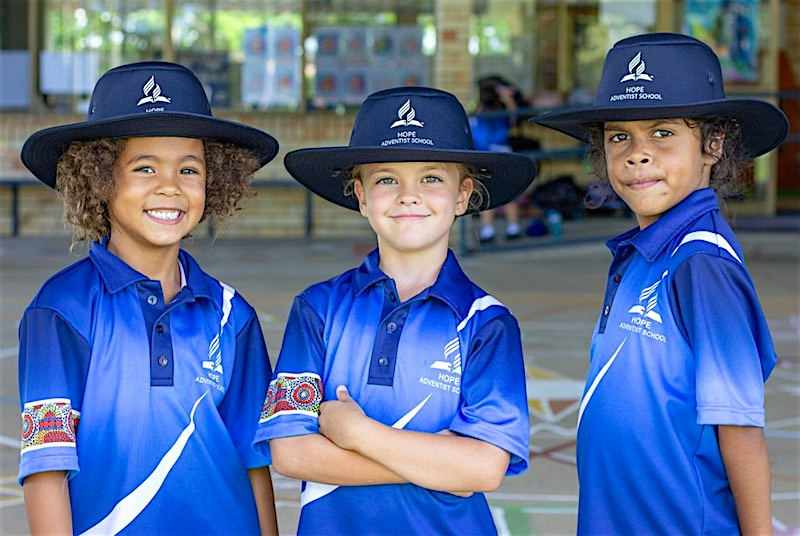
According to Sport Australia, nearly half of all Australian children aged 5 to 14 are already playing organised sport outside school at least once a week. That’s millions of kids learning to pass, sprint, cheer, and occasionally trip over their own shoelaces (which, let’s be honest, is a life skill in itself).
So if your child hasn’t started yet? No stress. They’re not behind. They’re just waiting for the right match.
The Personality Match: Finding the Best Sport for Your Kid
Every child is wired differently. And the best sports for beginners Australia offers aren’t the same for everyone.
Let’s break it down simply.
| If your child is… | Try these sports first | Why it works |
|---|---|---|
| Bouncing off walls, loves running, talks to strangers at the park | Soccer Basketball Rugby League | High energy, constant movement, social by nature |
| Quiet, thoughtful, likes rules and routines | Cricket Netball Volleyball | Slower pace, strategic thinking, clear roles |
| Creative, expressive, loves music or dance | Dance Teams Cheer Gymnastics | Rhythm-focused, collaborative, less contact |
| A mix of everything – some days shy, some days wild | AFL Auskick Touch Football Tee-ball | Flexible, fun-first, low pressure |
See what we did there? No “one size fits all” nonsense. Just real matches for real kids.
Top 6 Team Sports for Australian Beginners (By Age & Vibe)
Let’s get into the lineup. These are the heavy hitters—the sports you’ll find everywhere from Cairns to Hobart.
1. Soccer – The People’s Champion
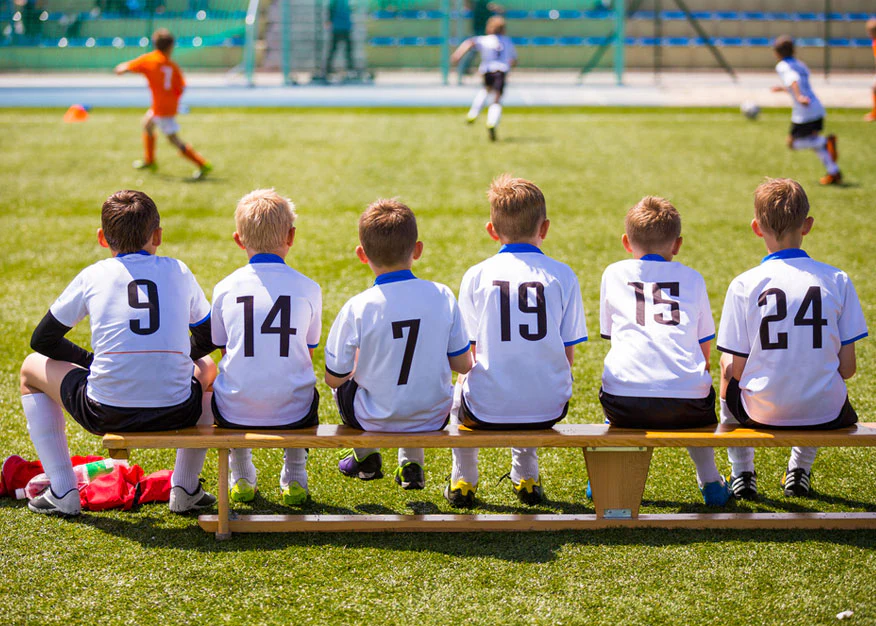
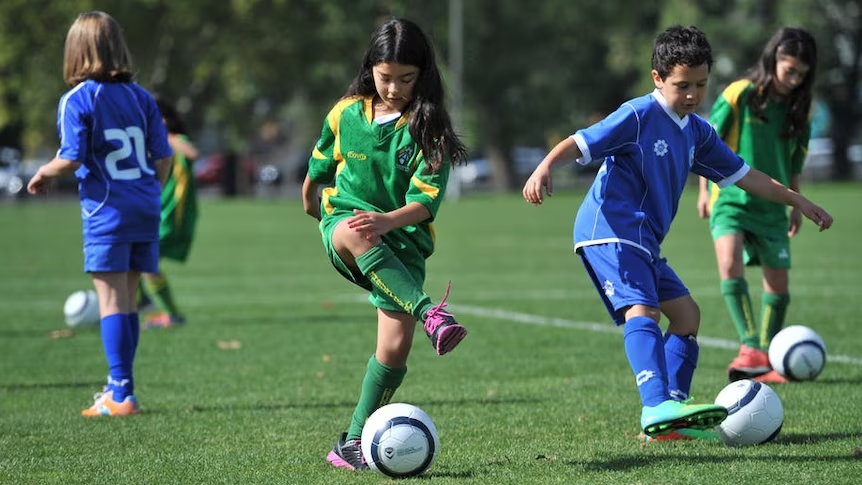
If there’s one sport that deserves the title of “best sports for beginners Australia-wide,” it’s soccer.
Why? Because all you need is a ball and some space. No fancy gear. No confusing rules. Just run, kick, laugh.
- Best for ages: 4–12 (MiniRoos programs start at 4)
- Season: Autumn to spring (varies by state)
- Contact level: Low
- Confidence boost: High – every kid touches the ball
2. Netball – Fast Feet, Faster Friendships
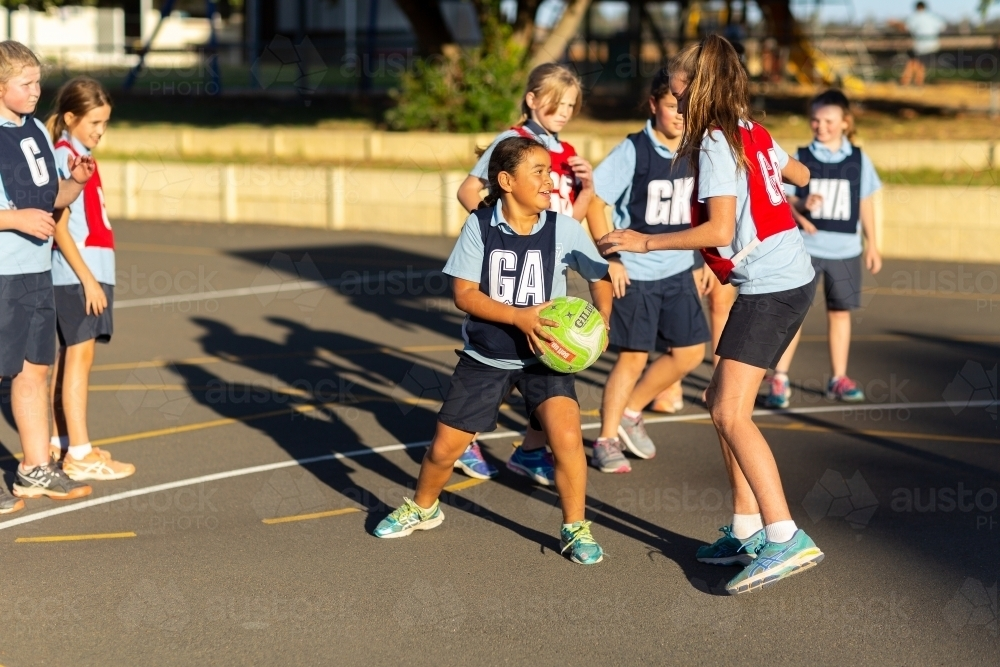
Netball is huge for a reason. It teaches kids to move without the ball, communicate constantly, and trust their teammates.
- Best for ages: 7+ (school and club options)
- Season: Usually winter
- Contact level: Non-contact (but fast!)
- Perfect for: Kids who love structure and quick decisions
3. Cricket – Patience Meets Summer Sun
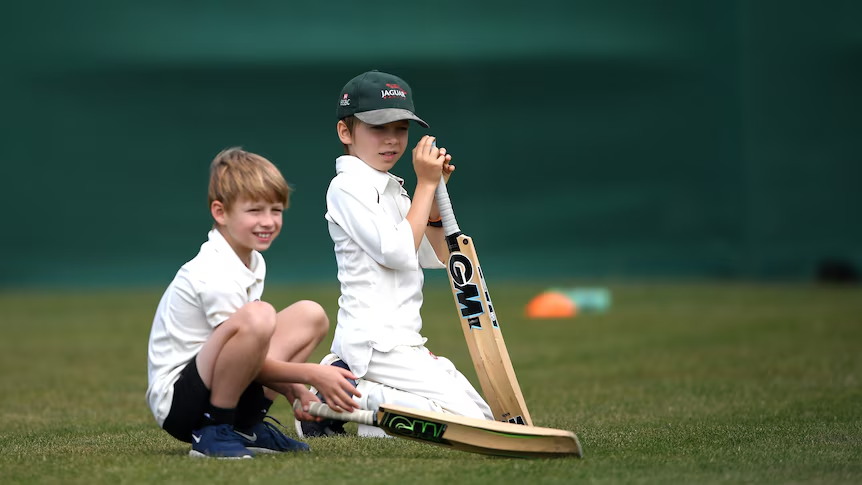
Not every kid wants to sprint for an hour straight. Some kids want to think, wait, and then explode into action. That’s cricket.
- Best for ages: 5+ (Woolworths Cricket Blast is gold)
- Season: Summer (hello, outdoor fun)
- Contact level: None
- Hidden benefit: Teaches focus like nothing else
4. AFL – More Than a Game, It’s a Vibe
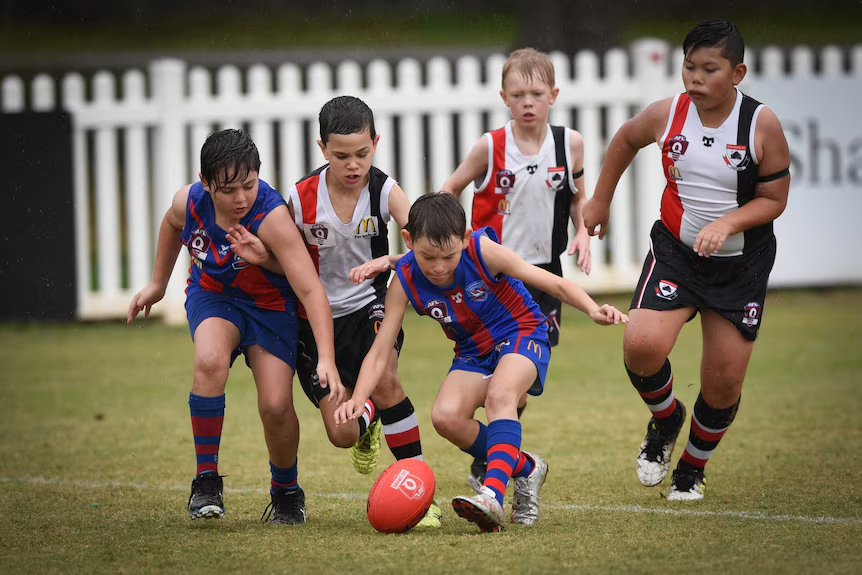
AFL is practically a religion in Victoria, SA, and WA. But even in NSW and QLD, Auskick programs are growing fast.
- Best for ages: 5–12 for Auskick, then junior leagues
- Season: Winter
- Contact level: Moderate (but taught safely)
- Why kids love it: Marks, goals, and that feeling of a specky (even a tiny one)
5. Basketball – Indoor Energy All Year Round
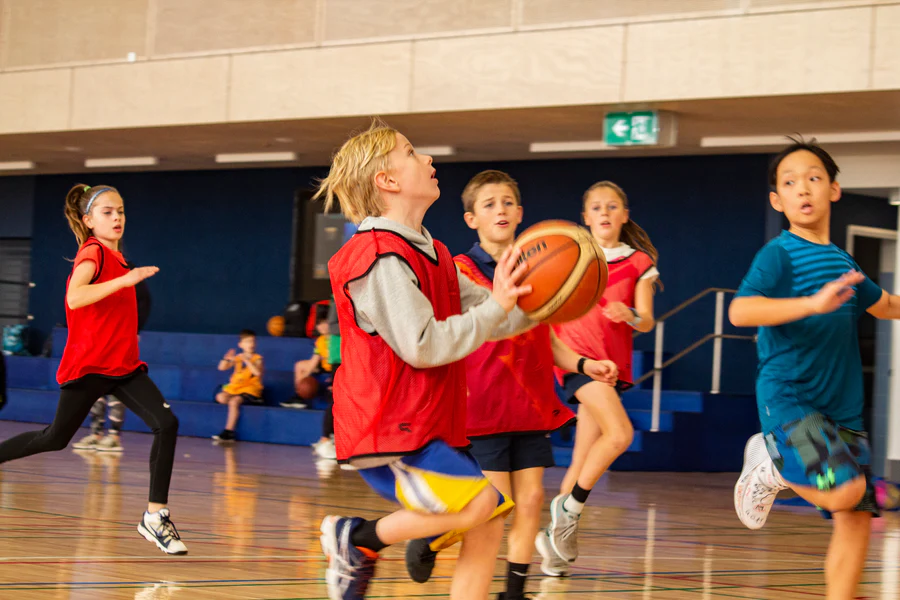
Rain? Heat? Doesn’t matter. Basketball courts are indoors, air-conditioned, and buzzing with energy.
- Best for ages: 6+ (junior comps start early)
- Season: Year-round
- Contact level: Low to moderate
- Best for: Kids who hate sitting still
6. Rugby & Touch Football – Two Sides of the Same Coin
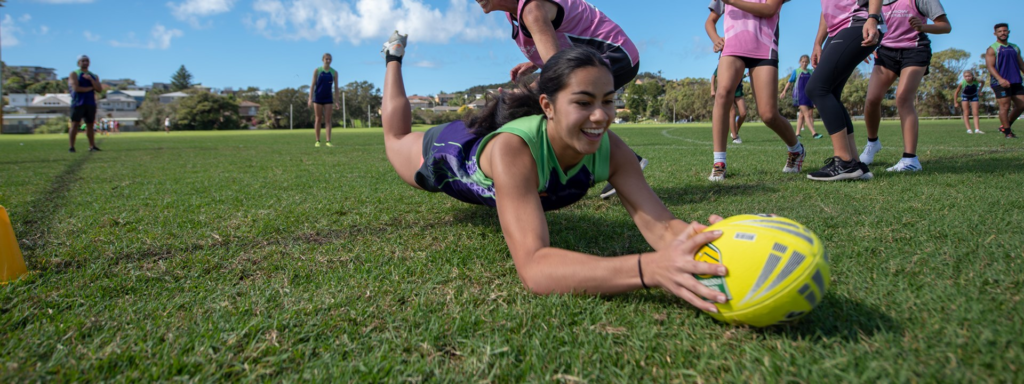
In NSW and QLD, rugby runs deep. But for beginners? Start with Touch Football. No tackles, all fun.
- Best for ages: 5+ for Touch, 7+ for contact Rugby
- Season: Varies (Touch is often summer)
- Contact level: Touch = none, Rugby = full
- Great for: Confident, physical kids who love running hard
State-by-State Snapshot: Where Kids Play What
Australia isn’t one-size-fits-all when it comes to sport. Here’s what’s trending where.
| State / Territory | Most Popular Beginners’ Sports |
|---|---|
| Victoria | AFL Soccer Cricket |
| New South Wales | Soccer Rugby League Basketball |
| Queensland | Rugby League Soccer Netball |
| Western Australia | AFL Soccer Cricket |
| South Australia | AFL Netball Soccer |
| Tasmania | AFL Cricket Soccer |
| Northern Territory | AFL Soccer Basketball |
Notice something? Soccer appears in every single one. That’s why it’s often called the safest bet when you’re looking for the best sports for beginners Australia has to offer.
What About Cost? Let’s Talk Real Numbers – Best Sports for Beginners Australia
You don’t need to remortgage the house to get your kid into sport.
Most local clubs charge between $100 and $400 per season for registration. That usually covers insurance, coaching, and admin fees. Uniforms and shoes might add another $50–$150, but here’s a pro tip: many clubs run second-hand gear swaps or offer loan uniforms for beginners.
And if you’re really watching the budget? School-based programs and community centres often run free or low-cost “come and try” days. No pressure. No commitment. Just fun.
Time Commitment: How Many Nights a Week Are We Talking? – Best Sports for Beginners Australia
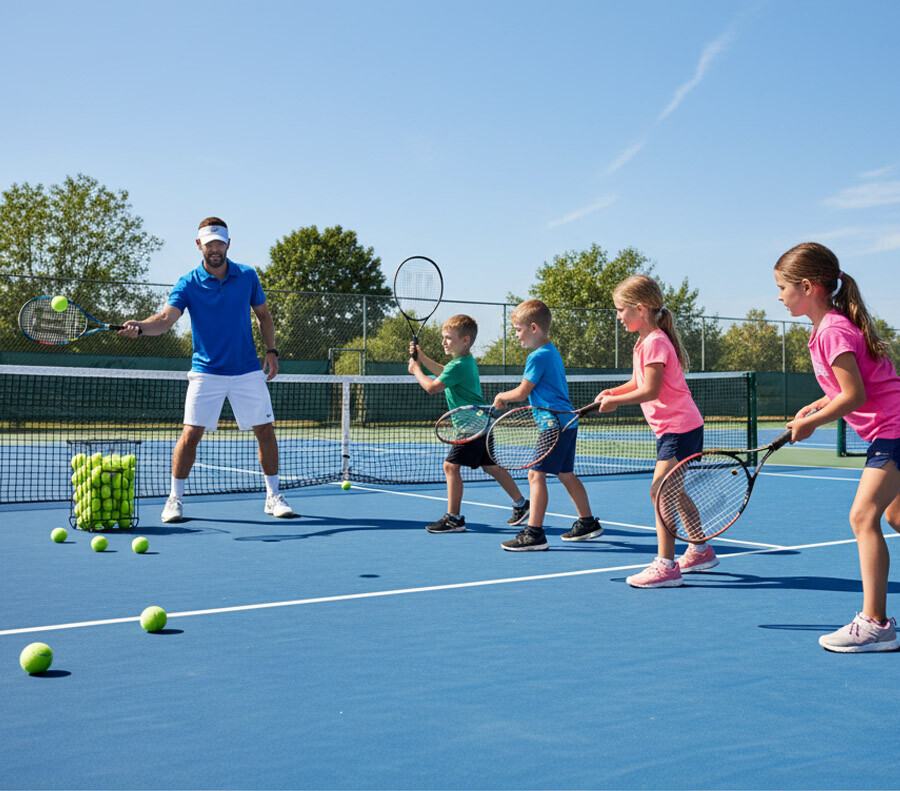
Let’s keep it real. Parents are tired.
For most beginner-level junior teams (ages 5–12), you’re looking at:
- 1–2 training sessions per week (45–60 minutes each)
- 1 game on the weekend (usually Saturday morning – yes, you’ll miss sleep)
That’s it. That’s the commitment.
As kids get older and more competitive, the hours creep up. But for beginners? It’s designed to fit around school, homework, and family dinners.
Why the Right Uniform Changes Everything
Now, here’s something most articles skip.
You can sign your kid up for the perfect sport, with the perfect coach, at the perfect time… but if they don’t feel like part of the team? They won’t stick with it.
That’s where the jersey comes in.
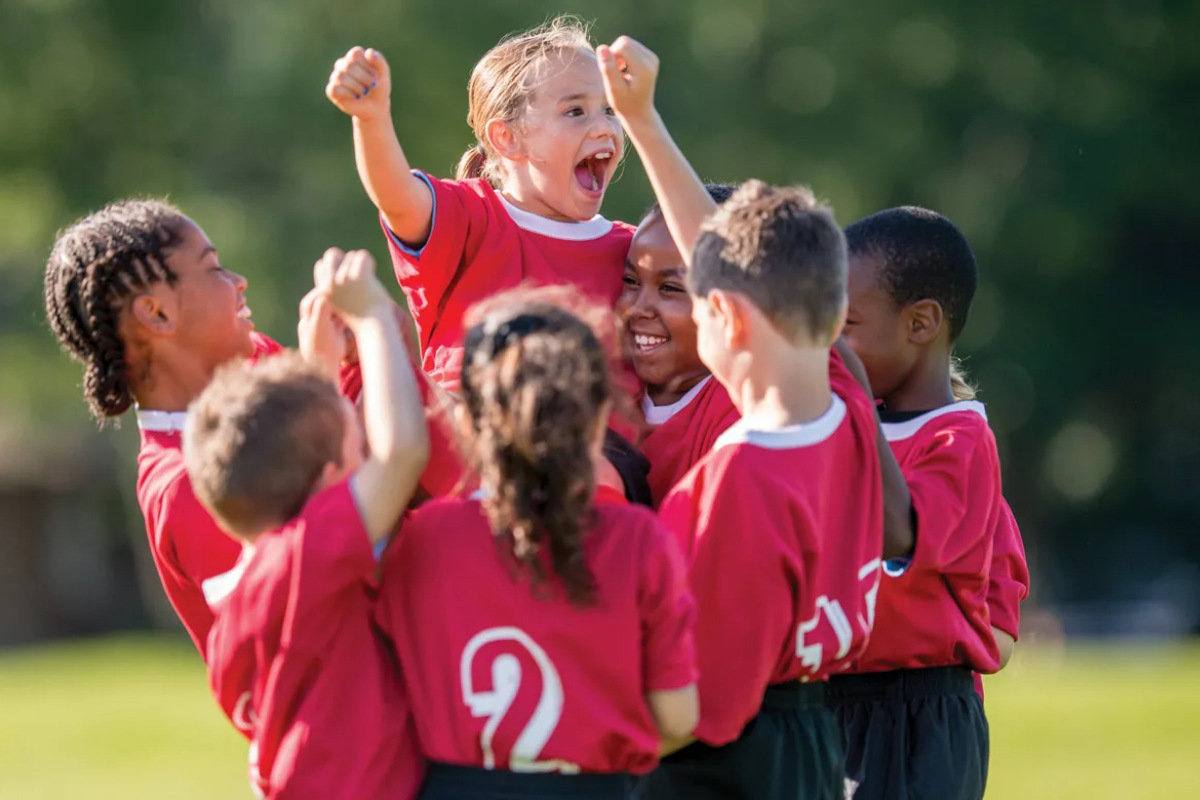
When a child pulls on a team uniform, something clicks. Suddenly they’re not just “Billy from maths class.” They’re a player. A teammate. Someone who belongs.
At Team Spirit Sports, we’ve seen it happen thousands of times. A kid walks in nervous, walks out standing taller just because they’ve got their name on the back of a polo.
Our custom kids’ teamwear is designed for Aussie conditions:
- Breathable fabrics for hot afternoons
- Moisture-wicking so they stay dry
- Durable stitching because kids are rough
And for NAIDOC season? Our new Premium NAIDOC Polos and matching NAIDOC Caps let young players wear their pride on the sleeve—literally. Plus, $1 from every order goes to NASCA. That’s sport with heart.
A Quick Word on Keeping It Positive (From a Parent Who’s Been There)
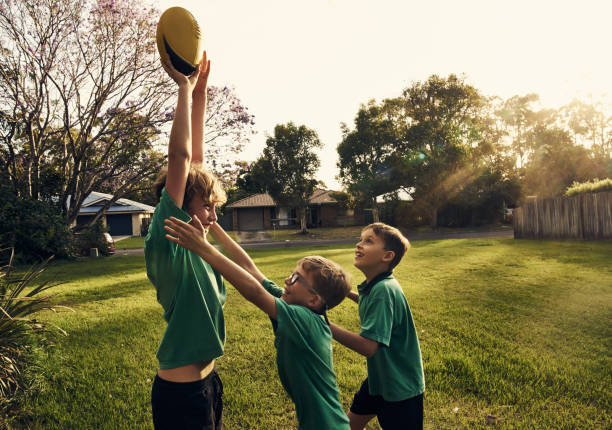
You want to know the real secret to raising a kid who loves sport?
Stop talking about the score.
I know. It sounds crazy. But here’s what actually works:
- Clap when they pass, not just when they score
- Ask “Did you have fun?” before “Did you win?”
- Stay calm on the sidelines (your kid can hear you)
- Let them try different sports – quitting isn’t failure, exploring is growth
The kids who stick with sport into their teens aren’t always the most talented. They’re the ones whose parents made it feel safe to try, fail, and try again.
Final Whistle: Why Team Sports Matter Beyond the Field
Here’s what we know for sure.
Kids who play team sports learn how to lose without crumbling. They learn how to win without showing off. They learn that sometimes you’re the hero, and sometimes you’re the one tying someone else’s shoelaces.
Those lessons don’t stay on the field. They follow your child into the classroom, the workplace, and every friendship they’ll ever have.
So if you’re still wondering which of the best sports for beginners Australia offers is right for your family? Don’t overthink it.
Pick one. Show up. Have a laugh.
And if you need great gear that makes your kid feel like a million bucks without costing it? Team Spirit Sports has your back.
Contact us today to design custom teamwear for your school or club. Or just drop by our South Kempsey or Coffs Harbour offices. We’ll help you find the perfect fit—on and off the field.